
 By Callumlangham@gmail.com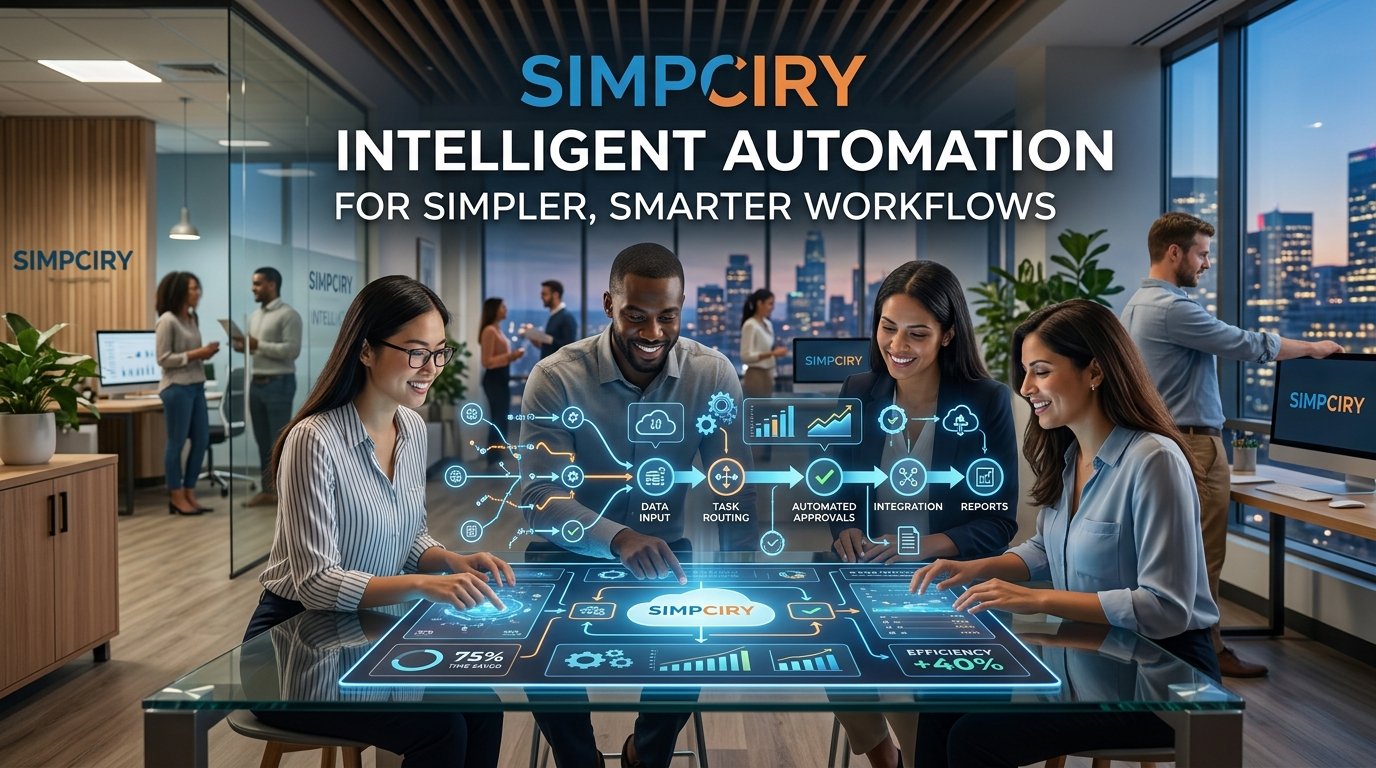
Simpciry is an intelligent automation approach that simplifies complex workflows by combining automation, collaboration, and data-driven decision-making. It enables organizations to reduce manual effort, improve productivity, and enhance efficiency by streamlining repetitive tasks. By focusing on simplicity, adaptability, and seamless integration, Simpciry empowers teams to focus on innovation and strategic growth rather than routine operations.
Simpciry is here to change the game. It’s more than just a buzzword; it’s a movement toward efficiency and innovation in modern business environments. As technology continues to evolve, so do our methods of collaboration and productivity. Embracing Simpciry means harnessing the power of automation to enhance your daily operations while freeing up valuable time for creativity and strategic thinking.
Curious about how this concept can revolutionize your workflow? Let’s dive into what Simpciry is all about!
Understanding Simpciry
It is an innovative approach to workflow optimization that leverages intelligent automation. It aims to simplify complex processes, making tasks easier and more efficient. By integrating advanced technologies, businesses can streamline operations while reducing human error.
At its core, Simpciry focuses on enhancing productivity through seamless collaboration between humans and machines. This balance allows teams to concentrate on high-value activities rather than getting bogged down by mundane tasks. Automation tools can take over repetitive actions like data entry or scheduling, freeing up time for creativity and problem-solving.
Understanding Simpciry also involves recognizing its adaptability across various industries. Whether in healthcare, finance, or e-commerce, the principles of Simpciry can be applied universally to improve workflows tailored specifically for each sector’s unique challenges.
Moreover, embracing this concept requires a shift in mindset. Organizations must foster a culture open to change and innovation while empowering employees with the right tools and training. When everyone is onboard with the transition toward automation, it creates a collaborative environment where efficiency thrives.
As technology advances at breakneck speed, staying informed about concepts like Simpciry becomes essential for success in any business landscape. Companies that adopt these strategies not only enhance their internal processes but also position themselves as leaders ready to tackle future challenges head-on.
Why Simpciry is Important in Modern Workflows
It has become a game-changer in today’s fast-paced work environment. Organizations face an overwhelming amount of data and tasks daily, making efficient workflow management crucial. Simpciry streamlines these processes, allowing teams to focus on what matters most—innovation and collaboration.
Incorporating Simpciry into workflows leads to improved productivity. By automating repetitive tasks, employees can dedicate more time to strategic activities that drive growth. This shift not only enhances individual performance but also uplifts the entire team’s output.
Moreover, modern workflows demand agility and adaptability. With Simpciry, organizations can quickly adjust their operations to respond to changing market conditions or client needs. This flexibility is essential for maintaining a competitive edge in any sector.
Another significant aspect is cost-effectiveness. Automating routine functions with Simpciry reduces human error and operational costs associated with manual processing. Businesses save both time and resources while maximizing efficiency through intelligent automation.
Employee satisfaction plays a vital role in organizational success. When mundane tasks are automated through Simpciry, workers experience less burnout and higher job satisfaction levels. A motivated team fosters creativity and promotes a positive workplace culture—key elements for long-term success.
Simpciry vs Other Similar Concepts
It stands out among various automation concepts by focusing specifically on simplifying workflows. While many systems, like traditional robotic process automation (RPA), aim to automate repetitive tasks, Simpciry enhances the overall workflow experience through intelligent simplification. It’s not just about doing things faster; it’s about making them easier.
Unlike RPA, which often requires significant upfront investment and complex integration efforts, Simpciry can be more adaptable. This adaptability allows businesses of all sizes to implement solutions without extensive technical expertise. By streamlining processes rather than merely automating them, users enjoy a smoother transition into automated environments.
Another concept in the mix is business process management (BPM). BPM emphasizes optimizing entire processes but may overlook the simplicity factor that Simpciry prioritizes. Many organizations find themselves bogged down with BPM methodologies that are cumbersome and hard to implement fully.
Artificial intelligence (AI) falls within this arena as well but serves a different purpose. While AI focuses on data-driven decision-making and predictive analytics, Simpciry aims at enhancing user interaction with technology by reducing complexity in everyday tasks.
What distinguishes Simpciry from these other approaches is its commitment to creating intuitive workflows tailored for efficiency—enabling teams to focus on creativity and innovation instead of getting lost in convoluted procedures.
Core Principles of Simpciry
At the heart of it lies a commitment to simplicity. This principle emphasizes that processes should be as straightforward as possible. By removing unnecessary complexities, teams can focus on what truly matters: delivering value and achieving their goals.
Another core principle is automation. Simpciry harnesses intelligent technology to streamline repetitive tasks. When mundane activities are automated, employees find more time for strategic thinking and creativity. This shift not only enhances productivity but also boosts job satisfaction.
Collaboration is also essential in the framework of Simpciry. It encourages seamless communication among team members and departments. With improved collaboration tools, everyone stays aligned with shared objectives, breaking down silos that often hinder progress.
Flexibility plays a significant role too. The dynamic nature of modern work demands adaptability from organizations and workflows alike. Simpciry embraces this by allowing businesses to adjust their processes based on evolving needs or market changes without losing efficiency.
Data-driven decision-making is crucial within the principles of Simpciry. Analyzing performance metrics enables teams to identify areas for improvement quickly. By making informed decisions backed by real-time insights, organizations can continuously optimize their workflow for better outcomes.
Practical Applications and Benefits
It revolutionizes the way organizations streamline their processes. By using intelligent automation, businesses can simplify complex tasks that often bog down workflows. This efficiency leads to quicker turnaround times and enhanced productivity.
One practical application of Simpciry is in customer service. Automated responses handle routine inquiries, freeing up human agents for more intricate issues. Customers receive immediate assistance while companies allocate resources more effectively.
Another area where Simpciry shines is data entry and management. Automation reduces errors that typically occur with manual input, saving time and improving accuracy. Companies can focus on analyzing data rather than just collecting it, leading to better decision-making.
Marketing teams also benefit from Simpciry through automated campaign management. Tools can schedule posts across multiple platforms or analyze audience engagement without constant monitoring by staff members. This allows marketers to concentrate on strategy over execution.
Project management gains a significant boost from Simpciry as well. Automating task assignments ensures everyone knows their responsibilities without endless emails or meetings about updates—leading to improved collaboration among team members.
Common Misconceptions and Challenges
Many people have misconceptions about Simpciry. One common belief is that intelligent automation will completely replace human workers. While automation can handle repetitive tasks, it is designed to enhance human capabilities, not eliminate them. The goal of Simpciry is to create a harmonious partnership between machines and humans.
Another misconception revolves around the complexity of implementation. Some think integrating it into existing workflows requires massive overhauls and extensive training. In reality, many tools are user-friendly and can be incorporated gradually without disrupting daily operations.
Security concerns often arise when discussing any form of automation. People worry about data breaches or loss of control over sensitive information when automating processes with Simpciry solutions. However, reputable platforms prioritize security measures that protect user data while optimizing workflow efficiency.
Budget constraints also deter many organizations from adopting intelligent automation strategies like Simpciry. There’s a belief that only large corporations can afford advanced technology solutions. In truth, numerous scalable options cater to businesses of all sizes—making it easier for even small enterprises to harness its benefits.
Some assume that once implemented, automated systems require no oversight at all. This is misleading; regular monitoring and adjustment are essential for maintaining optimal performance in any automated process using it’s principles.
How to Initiate Intelligent Automation Today
To start your journey with intelligent automation through Simpciry, first assess your current workflows. Identify repetitive tasks that consume time and resources. Look for areas where efficiency can be improved without sacrificing quality. This initial step is crucial in understanding what needs automation.
Next, involve stakeholders from various departments. Their insights will help you pinpoint specific pain points and tailor solutions accordingly. Collaboration ensures everyone’s concerns are addressed, making the transition smoother and more effective.
Once you have a clear picture of the tasks to automate, choose suitable tools or software that align with your goals. Research platforms that offer user-friendly interfaces and robust capabilities tailored for Simpciry principles. Don’t hesitate to seek demos or trials before committing.
After selecting the right tools, develop a pilot program for testing purposes. Start small by automating one process at a time to monitor results closely. Gather feedback from users involved in this phase; their experiences will provide valuable insights into further adjustments needed.
Focus on training your team on these new systems. Empowering them with knowledge about how to leverage intelligent automation effectively fosters acceptance and enthusiasm around the change. Regularly review performance metrics to ensure continuous improvement as you scale up automation across workflows.
The Future of Simpciry in Workflow Optimization
The future of Simpciry in workflow optimization looks promising and transformative. As organizations increasingly embrace digital transformation, the need for intelligent automation becomes more apparent. It stands to revolutionize how teams operate, making workflows not only faster but also smarter.
Emerging technologies like artificial intelligence and machine learning will further enhance Simpciry’s capabilities. Imagine an environment where repetitive tasks are seamlessly handled by automated systems, allowing human resources to focus on strategic initiatives rather than mundane activities. This shift will foster innovation and creativity within teams.
Moreover, as remote work continues to gain traction, the demand for adaptive solutions that simplify collaboration is crucial. Simpciry offers a platform where disparate tools can merge into cohesive workflows tailored to fit specific business needs. This integration fosters better communication and enhances productivity across distributed teams.
With data becoming central to decision-making processes, analytics integrated into Simpciry can provide real-time insights into workflow efficiency. Organizations will be able to identify bottlenecks quickly and make informed changes that optimize performance continuously.
As we look ahead, it’s clear that embracing Simpciry means staying competitive in a fast-paced market landscape. Companies willing to invest in this intelligent automation approach are likely to see significant returns in operational effectiveness while cultivating an agile work culture prepared for future challenges.
FAQs About Simpciry
When exploring the concept of Simpciry, several questions often arise. Here are some frequently asked questions that can help clarify any uncertainties about this innovative approach to intelligent automation.
What is Simpciry?
Simpciry refers to the use of intelligent automation designed specifically for streamlined workflows. It emphasizes simplicity and efficiency, allowing organizations to optimize their processes without overcomplicating them.
How does Simpciry improve workflows?
By automating repetitive tasks, Simpciry reduces errors and saves time. This allows employees to focus on more strategic initiatives rather than mundane activities, enhancing overall productivity.
Is Simpciry only for large businesses?
Not at all! While larger enterprises can benefit significantly from implementing Simpciry, small and medium-sized businesses also stand to gain. The principles apply universally across various industries and organizational sizes.
What technologies are involved in creating a Simpciry environment?
Simpciry integrates various technologies such as AI, machine learning, robotic process automation (RPA), and cloud computing. These tools work together seamlessly to create efficient workflows tailored for specific operational needs.
Can I implement Simpciry in existing systems?
Yes! One of the core advantages of Simpciry is its adaptability. Organizations can incorporate it into their current systems with minimal disruption while reaping immediate benefits from enhanced workflow optimization.
Are there common pitfalls when adopting Simpciry?
Like any new methodology or technology adoption, challenges may arise during implementation—such as resistance from staff or insufficient training resources. It’s essential to address these concerns proactively through education and support programs.
How do I measure success after implementing Simpciry?
Key performance indicators (KPIs) related to productivity improvements, error reduction rates, cost savings, and employee satisfaction levels serve as excellent benchmarks for measuring the effectiveness of your automated workflows.
Understanding these aspects of Simpciry helps demystify its role in modern business landscapes while paving the way for successful implementation within organizations looking toward future growth strategies focused on workflow optimization.