
 By Callumlangham@gmail.com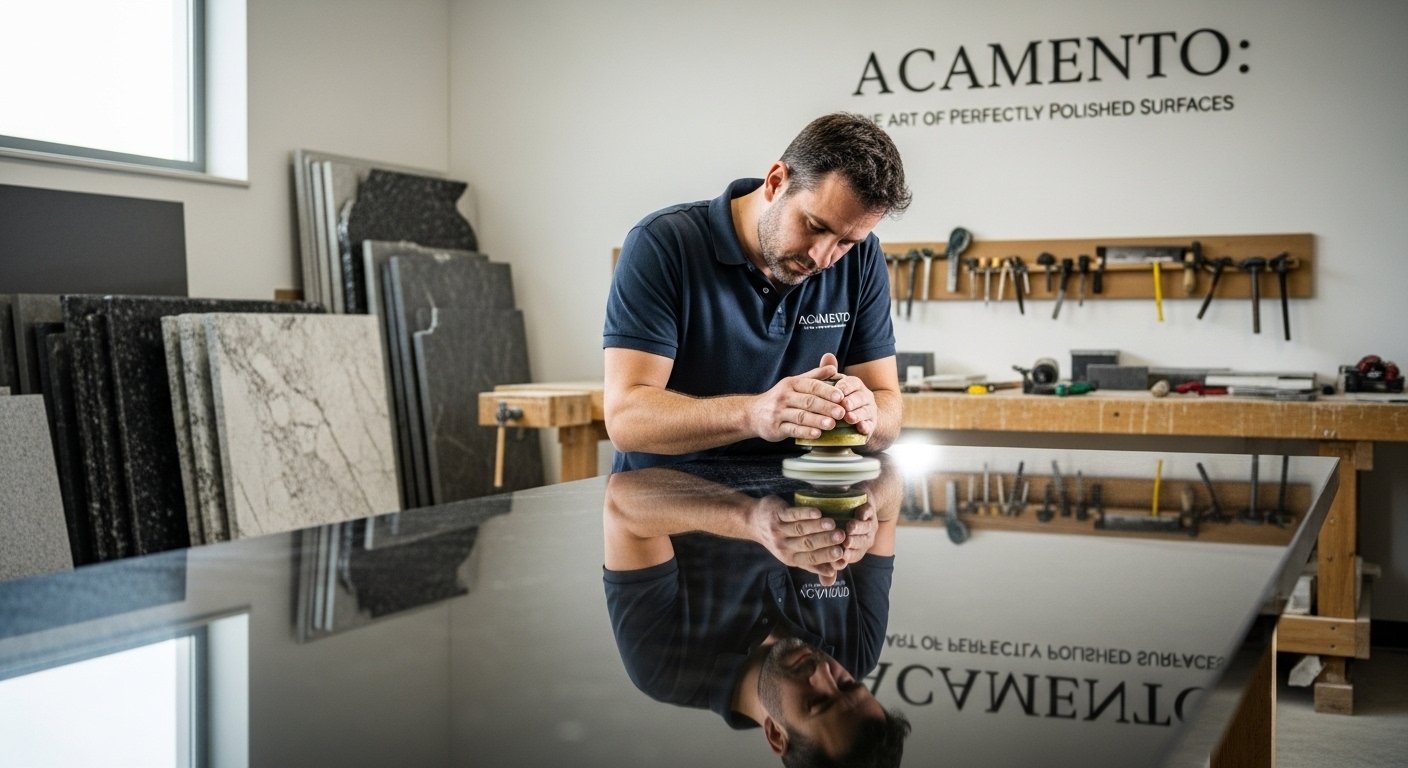
Acamento is more than just a technique; it’s an art form that transforms ordinary surfaces into extraordinary masterpieces. Imagine walking into a space where every surface gleams with perfection, reflecting light and beauty in ways you never thought possible. The allure of acamento lies not only in its stunning visual appeal but also in the meticulous craftsmanship behind it. This age-old practice has evolved dramatically over the years, blending traditional methods with modern technology to achieve flawless finishes. Whether you’re an interior design enthusiast or simply curious about enhancing your home’s aesthetic, understanding acamento could unlock a whole new world of possibilities for polishing and perfecting surfaces. Let’s dive deeper into this fascinating craft and discover what makes acamento truly special!
History and Evolution of Acamento
The history of acamento is rich and fascinating. Its origins trace back centuries, rooted in ancient practices of surface finishing. Artisans sought ways to enhance the beauty and durability of materials, leading to the development of various polishing techniques.
As time progressed, innovations emerged. The Renaissance saw a surge in artistic expression that led to more refined methods. Craftsmen began experimenting with tools and compounds for superior results.
With the Industrial Revolution came mass production, changing how surfaces were treated. Acamento evolved from hand-crafted artistry into a standardized process while retaining its essence.
Today, technology has taken acamento to new heights. Advanced machinery allows for precision polishing that enhances both aesthetics and functionality. This evolution reflects a blend of tradition and modernity, keeping acamento relevant in contemporary design trends.
You Might Also Like: Sodiceram
The Process of Acamento
The acamento process begins with careful surface preparation. Any imperfections or rough textures must be addressed first. This step ensures a flawless foundation for the polishing work to come.
Once the surface is prepped, various tools are employed to achieve that sought-after shine. Abrasives of different grits are used sequentially, starting from coarse and moving toward finer options. Each layer removes scratches and builds clarity.
Water plays an essential role throughout this journey. It not only cools the surfaces but also helps in reducing dust and debris during polishing.
After achieving the desired finish, a protective sealant may be applied. This enhances durability while preserving that stunning look over time.
Attention to detail defines acamento’s artistry, making it stand out among other finishing processes. The result is not just polished surfaces; it’s an experience of elegance crafted through skillful hands.
Different Types of Surfaces that can be Polished using Acamento
Acamento is versatile and can enhance a variety of surfaces. From natural stones to engineered materials, its application knows no bounds.
Marble tops benefit from Acamento’s smoothing techniques. The result? A stunning shine that highlights the stone’s natural veins.
Concrete surfaces also transform under this meticulous process. With careful polishing, rough concrete can become sleek and modern, perfect for contemporary spaces.
Wood surfaces aren’t left out either. Acamento brings an elegant finish to wooden furniture, accentuating grains while providing protection against wear and tear.
Even metals like stainless steel can be polished using Acamento methods. This creates a reflective surface that not only looks sophisticated but is easy to clean as well.
Each type of surface responds uniquely to the art of Acamento, demonstrating its adaptability and appeal across different materials in both residential and commercial settings.
Benefits of Choosing Acamento for Your Surfaces
Choosing acamento for your surfaces offers a multitude of benefits that can transform any space. Its polished finish not only enhances aesthetic appeal but also adds a touch of sophistication.
Durability is another significant advantage. Acamento-treated surfaces resist wear and tear, making them ideal for high-traffic areas. This durability translates into long-term savings on repairs and replacements.
Maintenance becomes effortless with acamento as well. Its smooth surface repels dust and stains, requiring minimal cleaning effort. A simple wipe down keeps it looking pristine.
Additionally, the versatility of acamento makes it suitable for various materials like wood, metal, or stone. Whether you’re upgrading countertops or flooring, this technique adapts beautifully to different design styles.
Choosing acamento contributes to improved hygiene in your environment due to its non-porous nature. It minimizes bacteria buildup compared to untreated surfaces—ideal for homes and commercial spaces alike.
Maintenance and Care for Acamento Surfaces
To maintain the beauty of acamento surfaces, regular cleaning is essential. Use a soft cloth and mild soap to wipe away dirt and grime. Avoid abrasive cleaners that can scratch or dull the finish.
For deeper cleans, consider using specialized products designed for polished surfaces. These solutions enhance shine without causing damage.
Protecting your acamento surfaces from heavy objects helps prevent scratches and dents. Place felt pads under furniture legs to minimize contact wear.
Spills should be addressed immediately; simply blot them with a clean towel rather than wiping, which could spread the liquid further.
Periodic sealing may be necessary based on usage. This adds an extra layer of protection, preserving both appearance and integrity over time.
Consider professional maintenance every few years to restore luster effectively and prolong lifespan significantly.
Creative Uses of Acamento in Interior Design
Acamento offers a myriad of creative possibilities in interior design. Its sleek, polished surfaces can transform any space into a sophisticated haven.
Imagine using acamento on kitchen countertops for an elegant cooking area that combines functionality with style. The reflective quality enhances natural light, making the room feel more spacious.
In living rooms, consider acamento finishes on coffee tables or accent walls. These elements become focal points, drawing attention and admiration from guests.
Bathrooms also benefit from this artful technique. A polished sink or bathtub adds a touch of luxury that elevates everyday routines to spa-like experiences.
For outdoor spaces, acamento can be applied to patios and garden furniture. Its resilience against weather conditions ensures beauty without sacrificing durability.
Each application showcases the versatility of acamento while creating an inviting atmosphere full of character and charm.
Conclusion
Acamento is more than just a technique; it’s an art form that transforms surfaces into radiant, polished masterpieces. Its rich history and ongoing evolution showcase the adaptability of this practice throughout various cultures and industries. The meticulous process involved in achieving the perfect finish not only highlights skilled craftsmanship but also reveals the versatility of acamento across different materials.
Choosing acamento for your surfaces offers numerous benefits, from enhancing aesthetic appeal to prolonging durability. With proper maintenance, these beautifully polished finishes can withstand the test of time while adding value to any space. Moreover, interior designers are increasingly turning to acamento for creative projects that elevate design elements beyond mere decoration.
As you explore options for surface finishing, consider how acamento can redefine your environment with elegance and sophistication. Whether it’s a sleek countertop or a stunning wall feature, embracing this artistry will undoubtedly leave a lasting impression on anyone who enters your space.