 By Callumlangham@gmail.com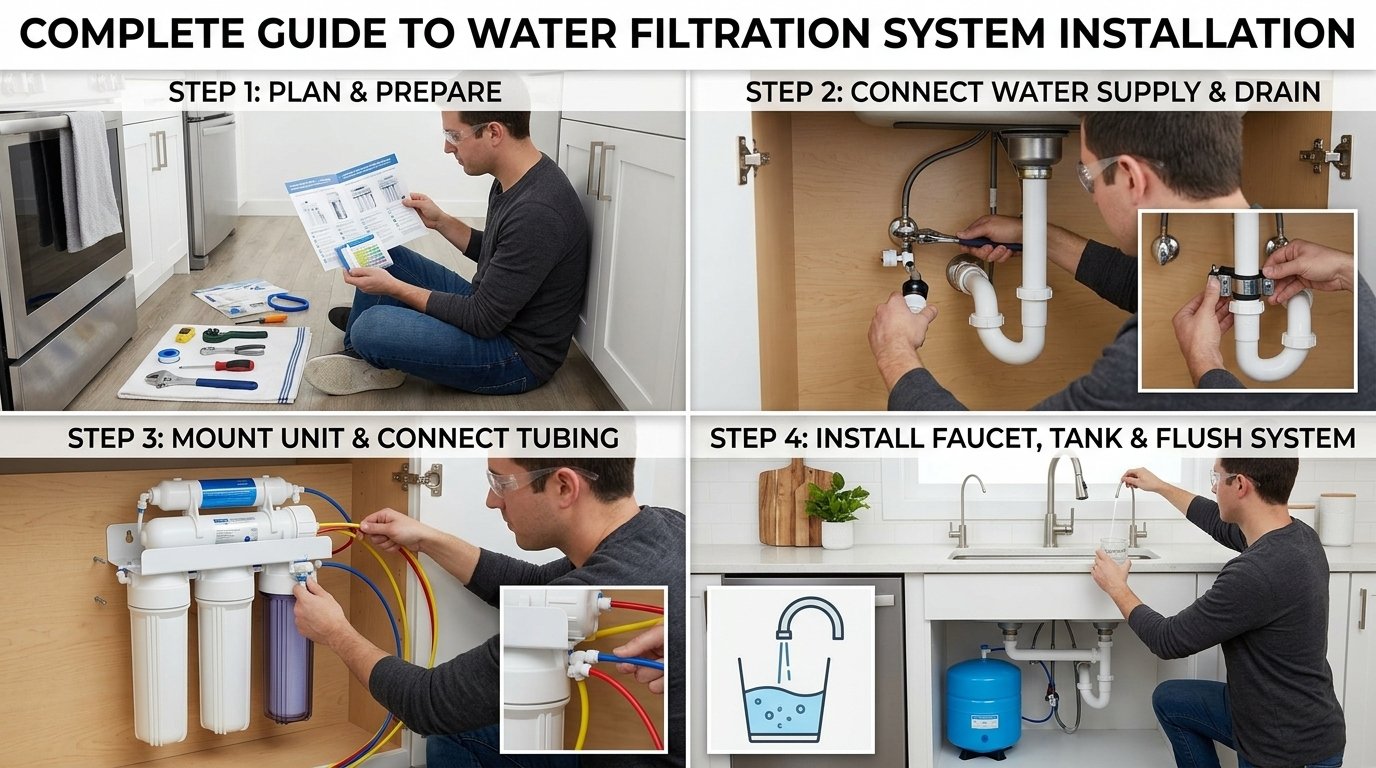
Introduction to Modern Water Filtration Solutions
Clean drinking water is a basic necessity, yet water quality varies significantly depending on its source and the condition of local infrastructure. Even when water looks clear, it may still contain impurities such as chlorine, sediment, heavy metals, bacteria, and other dissolved contaminants that are not safe for long-term consumption.
To address these concerns, modern households and businesses rely on advanced purification methods that improve water quality and safety. One of the most effective approaches is water filtration system installation, which helps ensure that every drop of water used for drinking, cooking, and daily needs is clean and healthy. These systems are designed to remove harmful substances while improving taste, odor, and overall water quality.
Why Water Filtration Systems Are Important
Water from municipal supplies or wells often goes through treatment processes, but it may still pick up contaminants along the way. Old pipelines, environmental pollution, and chemical residues can all affect water quality before it reaches your tap.
A properly installed filtration system acts as an additional barrier that removes these unwanted substances. It reduces health risks, improves hydration quality, and provides peace of mind for households.
Regular consumption of unfiltered water may contribute to long-term health issues such as digestive problems, kidney strain, and exposure to harmful chemicals. This is why installing a reliable filtration system has become an essential part of modern living rather than a luxury.
Types of Water Filtration Systems
There are several types of water filtration systems available, each designed for specific needs and water conditions.
Activated carbon filters are commonly used for improving taste and removing chlorine, odors, and organic compounds. Sediment filters are designed to trap visible particles such as dirt, sand, and rust.Reverse osmosis systems provide deeper purification by removing dissolved salts, heavy metals, and microscopic contaminants. UV filtration systems use ultraviolet light to kill bacteria and viruses, making water microbiologically safe.
Whole-house filtration systems are installed at the main water line to treat all water entering a property, while under-sink systems focus on drinking and cooking water only.Choosing the right system depends on water quality, household size, and specific usage requirements.
Key Components of a Filtration System
A typical water filtration system consists of several important components that work together to purify water effectively.
The pre-filter stage removes larger particles that could damage internal components. The main filtration stage targets specific contaminants depending on the system type, such as chemicals, heavy metals, or microorganisms.
A post-filter may be included to enhance taste and ensure final water quality. Some systems also include storage tanks to hold purified water for immediate use.
Advanced systems may include monitoring indicators that track filter life and system performance, helping users know when maintenance is required.Each component plays a critical role in ensuring the overall efficiency of the system.
Step-by-Step Installation Process
Proper installation is essential for ensuring long-term performance and reliability. The process begins with selecting an appropriate location based on the type of system being installed.
For under-sink systems, installation is typically done in the kitchen cabinet, while whole-house systems are installed at the main water entry point. The location must allow easy access for maintenance and filter replacement.
Next, the water supply line is connected to the filtration unit. This allows untreated water to enter the system for processing. In many setups, a bypass valve is also installed to allow water flow control during maintenance.
The system is then connected to the outlet line, which delivers purified water to taps or storage tanks. If wastewater is generated, such as in reverse osmosis systems, a drain line is also installed.
Once all connections are in place, filters are installed inside the system housing according to manufacturer instructions. The system is then flushed to remove air and any initial impurities.
Finally, the installation is tested for leaks, water pressure, and proper flow. A properly executed water filtration system installation ensures smooth operation and reliable water quality from the start.
Common Installation Mistakes to Avoid
Incorrect installation can reduce system efficiency and cause long-term problems. One of the most common mistakes is poor sealing of pipe connections, which can lead to leaks and water wastage.Improper placement of filters can also affect performance. Each filter must be installed in the correct sequence to ensure proper purification.
Another common issue is ignoring water pressure requirements. Some systems require minimum or regulated pressure to function correctly, and failure to maintain this can reduce efficiency.Skipping pre-filters in systems that require them can also shorten the lifespan of the main filtration components.Avoiding these mistakes ensures the system works efficiently and lasts longer without unnecessary repairs.
Maintenance and Filter Replacement
Regular maintenance is essential for keeping any water filtration system in good condition. Over time, filters become saturated with contaminants and must be replaced to maintain water quality.
Sediment filters generally require more frequent replacement, while carbon and specialty filters last longer depending on usage and water quality. In advanced systems, RO membranes or UV lamps may also require periodic servicing.
Cleaning system components and checking for leaks or blockages helps ensure consistent performance. Neglecting maintenance can result in reduced water quality and system inefficiency.A well-maintained system not only performs better but also lasts significantly longer.
Benefits of Installing a Water Filtration System
One of the biggest advantages of filtration systems is improved water quality. They remove harmful contaminants, making water safer for drinking and cooking.Better taste and odor are also noticeable benefits, especially in areas where water contains chlorine or mineral impurities. This encourages healthier hydration habits.
Filtration systems also reduce reliance on bottled water, which helps lower plastic waste and environmental impact. Over time, this leads to cost savings and convenience.In addition, modern systems are designed for efficiency and require minimal space, making them suitable for both small and large households.
Importance of Professional Installation
Although some systems are designed for easy setup, professional installation ensures optimal performance and safety. Experts understand proper plumbing connections, pressure requirements, and system calibration.
They also ensure that filters are installed correctly and that the system is tested thoroughly before use. This reduces the risk of leaks, contamination, or performance issues.
Professional installation is especially important for whole-house systems or advanced filtration units that require precise configuration.
Choosing the Right Filtration System
Selecting the right system depends on water quality, household size, and specific needs. A basic sediment and carbon filter may be enough for improving taste, while more advanced systems may be required for heavily contaminated water.
It is important to evaluate filtration capacity, maintenance requirements, and long-term costs before making a decision. Some systems also offer additional features such as UV sterilization or mineral balancing.A well-chosen system ensures consistent water quality and long-term satisfaction.
Signs That Maintenance Is Needed
Even a properly installed system can show signs when maintenance is required. Reduced water flow, changes in taste, or visible particles in water are common indicators.Unusual odors or system noise may also suggest filter blockage or internal issues. Ignoring these signs can lead to reduced performance and potential system damage.Regular monitoring helps detect issues early and ensures uninterrupted access to clean water.
Conclusion
Clean water is essential for health, hygiene, and daily living. Installing a reliable filtration system is one of the most effective ways to ensure safe and high-quality water access.From selecting the right system to ensuring proper setup and maintenance, every step plays an important role in performance and durability.
A professional water filtration system installation guarantees that the system operates efficiently and delivers consistent results.With proper care and timely maintenance, a filtration system can provide long-lasting benefits, improved health, and peace of mind for any household or commercial space.