 By Callumlangham@gmail.com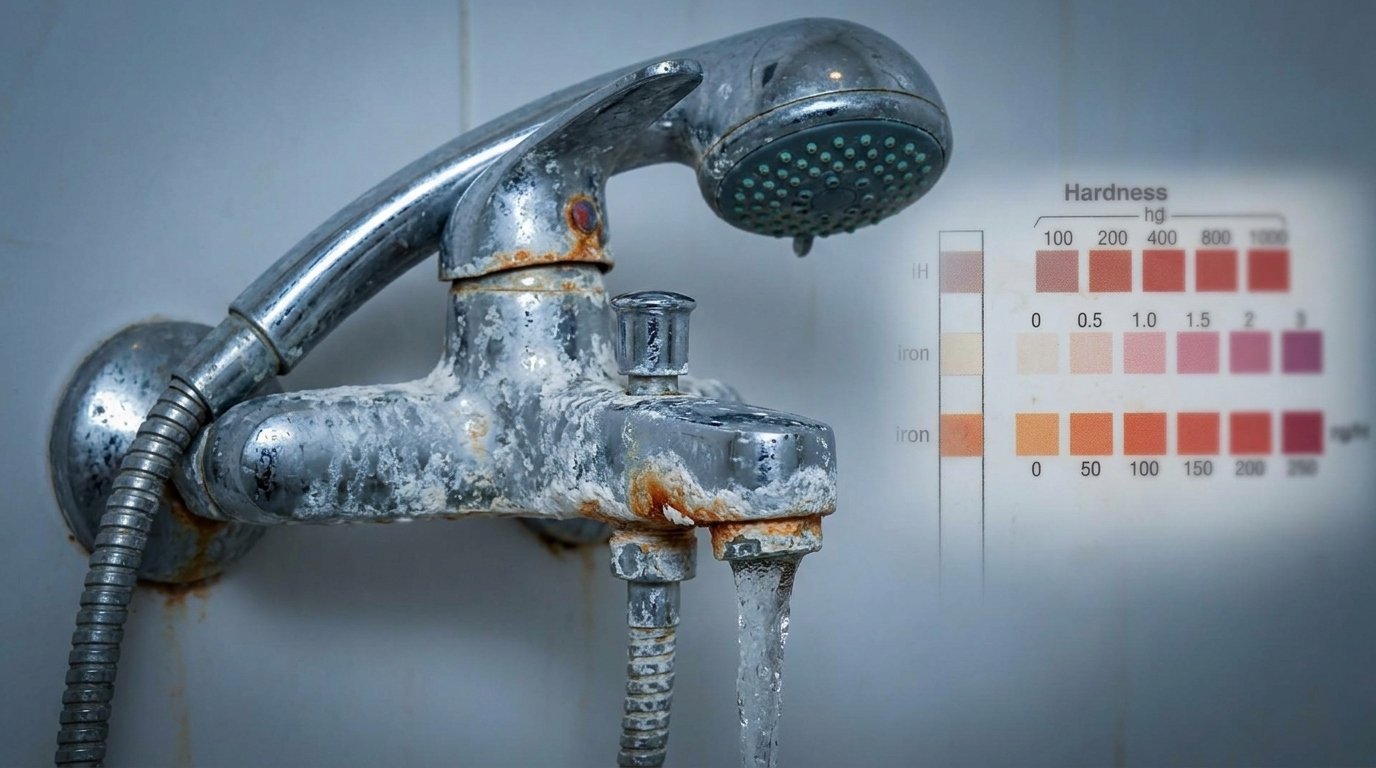
Water quality plays a crucial role in daily life, affecting health, household appliances, and industrial processes. One of the most common water problems faced by households and businesses is hard water, which contains high levels of minerals such as calcium and magnesium. These minerals can cause scale buildup in pipes, reduce the efficiency of appliances, and affect cleaning performance. To solve these issues, water conditioner systems have become an advanced and practical solution for improving water quality without completely altering its natural composition.
What Are Water Conditioner Systems
Water conditioner systems are designed to treat hard water by changing the behavior of hardness minerals rather than removing them completely. Unlike traditional water softeners that use salt to remove calcium and magnesium, water conditioners work by altering the physical or chemical structure of these minerals so they do not stick to surfaces or form scale.
This means the water remains mineral-rich, but its harmful scaling effects are significantly reduced. As a result, pipes, heaters, and appliances are protected from buildup while maintaining healthier water composition for daily use.
How Water Conditioner Systems Work
Water conditioning systems use different technologies depending on the type of unit. One of the most common methods is Template Assisted Crystallization (TAC), where hardness minerals are converted into stable microscopic crystals. These crystals remain suspended in water and cannot attach to surfaces, preventing scale formation.
Some systems also use electromagnetic or catalytic processes that influence the behavior of minerals as they pass through the system. These methods do not require salt, electricity in many cases, or chemical additives, making them low-maintenance and eco-friendly.The treated water continues to flow normally through plumbing systems, but without the negative effects of scale buildup.
Benefits of Water Conditioner Systems
One of the main advantages of water conditioner systems is that they are eco-friendly. Since they do not use salt or chemical regeneration, they do not release harmful brine into the environment. This helps protect soil and water ecosystems.
Another major benefit is low maintenance. Unlike traditional softeners, these systems do not require frequent salt refilling or complicated regeneration cycles. Once installed, they work continuously with minimal attention.
They also help extend the lifespan of household appliances such as washing machines, dishwashers, water heaters, and plumbing fixtures by preventing mineral deposits.In addition, water conditioners maintain essential minerals in water, which are beneficial for health, unlike systems that completely remove them.
Difference Between Water Softeners and Water Conditioners
Water softeners and water conditioners are often confused, but they work in very different ways. Traditional water softeners remove calcium and magnesium through ion exchange and replace them with sodium. This reduces water hardness but increases salt content and requires regular maintenance.
On the other hand, water conditioner systems do not remove minerals. Instead, they change their structure so they cannot form scale. This means there is no sodium addition, no wastewater discharge, and no need for salt or regeneration.While softeners provide a “softer” water feel, conditioners are more natural, maintenance-free, and environmentally friendly.
Applications of Water Conditioner Systems
Water conditioner systems are widely used in residential homes to protect plumbing systems and improve water efficiency. They are especially useful in areas with moderate to high water hardness levels.In commercial buildings such as hotels, offices, and restaurants, these systems help maintain equipment performance and reduce maintenance costs caused by scale buildup.
Industries that rely on consistent water flow also benefit from conditioning systems, especially where large-scale operations make traditional softeners less practical or more costly.
Maintenance and Longevity
One of the strongest advantages of water conditioner systems is their long service life and minimal maintenance requirements. Unlike salt-based systems, they do not require regular refilling or frequent servicing.Most systems only require occasional media replacement after several years, depending on water quality and usage levels. Since there is no brine tank or regeneration process, the system remains operational without interruptions.
This makes them highly reliable for long-term use in both residential and commercial environments.
Environmental Advantages
Water conditioner systems are considered environmentally safe because they do not produce salt discharge or chemical waste. Traditional water softeners can increase salinity in wastewater, which may negatively affect soil and aquatic life.By eliminating salt usage and reducing water waste, conditioners support sustainable water management practices. This makes them a preferred choice for eco-conscious users who want to reduce environmental impact while improving water quality.
Common Misconceptions
A common misconception is that water conditioner systems make water completely soft like traditional softeners. In reality, they do not remove hardness minerals but neutralize their ability to form scale.
Another misconception is that they are not effective. In fact, modern conditioning technologies are highly efficient in preventing scale buildup in plumbing and appliances, especially in residential and light commercial applications.Understanding how these systems work helps users choose the right solution based on their actual needs.
Choosing the Right Water Conditioner System
Selecting the right system depends on water hardness levels, usage requirements, and maintenance preferences. For users who want a simple, eco-friendly, and maintenance-free solution, water conditioners are often the best choice.
However, in cases of extremely hard water or specific industrial needs, a combination of treatment systems may be required. A proper water test is always recommended before installation to ensure accurate system selection.Professional guidance can also help in choosing the correct system size and technology based on water conditions.
Many users prefer expert help from water purification services to ensure proper installation, system efficiency, and long-term performance.
Conclusion
Water conditioner systems provide a modern and efficient way to manage hard water problems without the drawbacks of traditional salt-based softeners. They protect plumbing, extend appliance life, and reduce scale buildup while maintaining essential minerals in water.
With their low maintenance requirements and environmentally friendly operation, they have become a popular choice for homes and commercial spaces. As water quality challenges continue to grow, these systems offer a practical and sustainable solution for long-term water management and improved daily living.