 By Callumlangham@gmail.com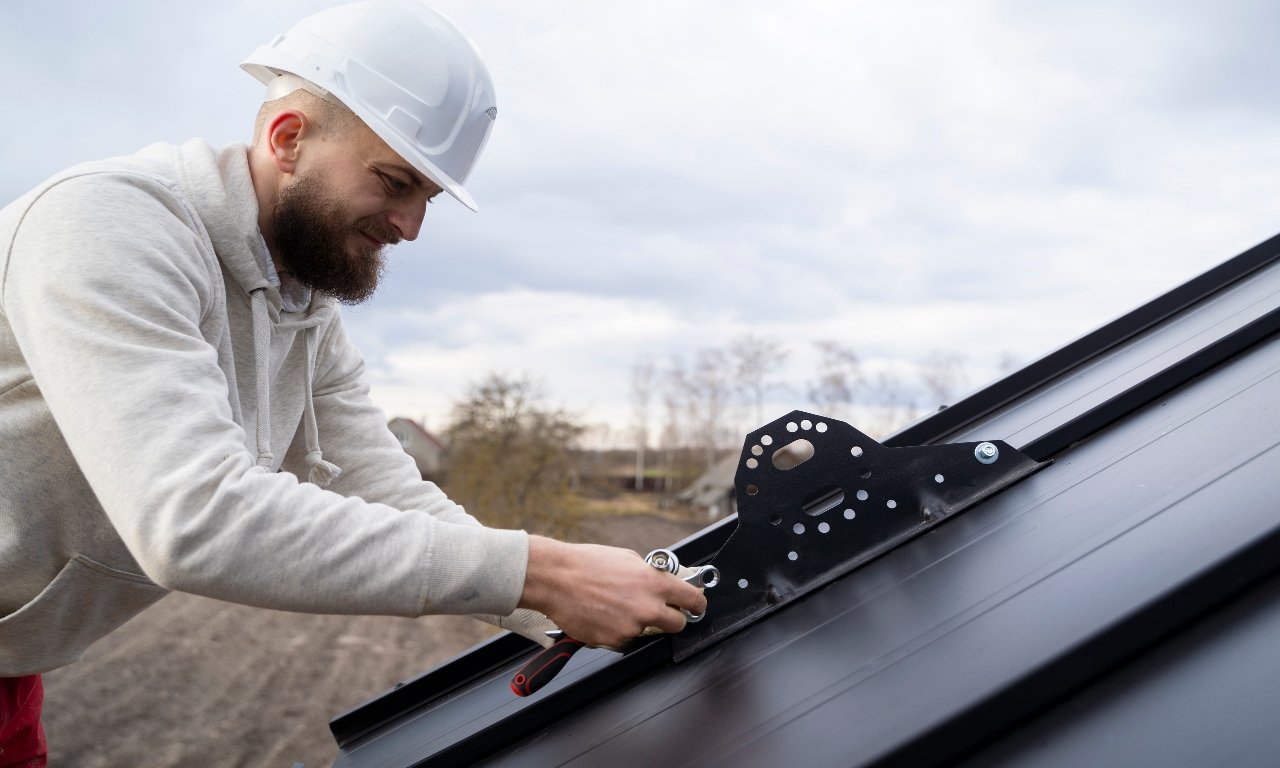
Roof sealing is an essential maintenance process that helps protect a building’s roof from water damage, leaks, weather exposure, and long-term structural deterioration. Over time, roofs are constantly exposed to harsh conditions such as rain, sunlight, wind, dust, and temperature changes, all of which can gradually weaken roofing materials. Without proper protection, small cracks and gaps can develop, allowing moisture to enter and cause serious damage inside the structure. Roof sealing creates a protective barrier that helps prevent these issues, extending the life of the roof while improving its overall performance and reliability.
Understanding the Purpose of Roof Sealing
The main purpose of roof sealing is to create a waterproof and protective layer over the roof surface that prevents water infiltration and reduces damage caused by environmental factors. This process involves applying specialized sealing materials that fill cracks, joints, and vulnerable areas, ensuring that the roof remains tightly sealed against moisture and external elements.
Roof sealing is especially important for older roofs or roofs that have already experienced minor wear and tear. It helps reinforce weak points and prevents small issues from turning into major structural problems. In modern construction, sealing is also used as a preventive measure to enhance durability from the beginning.
Why Roof Sealing Is Important
Roof sealing plays a crucial role in maintaining the overall health of a building because it protects one of the most exposed and vulnerable parts of the structure. Water damage is one of the leading causes of roof deterioration, and even small leaks can lead to serious problems such as mold growth, insulation damage, and weakened structural components.
By applying a proper sealant, homeowners can prevent moisture penetration and reduce the risk of costly repairs. Roof sealing also improves energy efficiency by helping regulate indoor temperatures, as it reduces heat loss and prevents unwanted air exchange through cracks or gaps.
Common Signs That a Roof Needs Sealing
There are several warning signs that indicate a roof may require sealing. One of the most common signs is visible cracks or gaps on the roof surface, which can allow water to seep in during rain. Water stains on ceilings or walls inside the home may also indicate roof leakage that needs immediate attention.
Another sign is the presence of mold or mildew, which often develops in areas where moisture is trapped. Loose or damaged roofing materials can also signal that the protective layer of the roof has weakened. Addressing these issues early through roof sealing can prevent further damage and extend the lifespan of the roof.
Types of Roof Sealants
There are different types of roof sealants available, each designed for specific roofing materials and conditions. Acrylic sealants are commonly used due to their flexibility and resistance to UV rays, making them suitable for various climates. Silicone sealants are known for their strong waterproofing abilities and long-lasting performance, especially in areas with heavy rainfall.
Polyurethane sealants offer excellent durability and adhesion, making them ideal for surfaces exposed to movement or structural stress. Asphalt-based sealants are also widely used for traditional roofing systems due to their strong protective properties and cost-effectiveness.Choosing the right sealant depends on the type of roof, environmental conditions, and the level of protection required.
Roof Sealing Process Explained
The roof sealing process begins with a thorough inspection of the roof to identify cracks, leaks, and damaged areas that need attention. This step is important because it ensures that all problem areas are properly addressed before sealing begins.
Once the inspection is complete, the roof surface is cleaned to remove dirt, debris, moss, and any loose materials that could affect adhesion. After cleaning, cracks and gaps are repaired using suitable filling materials to create a smooth and stable surface.
The sealing material is then applied evenly across the roof using brushes, rollers, or spray equipment, depending on the type of sealant used. In some cases, multiple layers may be applied to ensure maximum protection. After application, the sealant is allowed to dry and cure properly, forming a strong protective barrier.
Benefits of Roof Sealing
Roof sealing offers several long-term benefits that improve both the performance and durability of a roofing system. One of the main advantages is enhanced waterproofing, which prevents leaks and protects the interior of the building from water damage.
It also extends the lifespan of the roof by reducing wear and tear caused by weather exposure. Another benefit is improved energy efficiency, as a properly sealed roof helps maintain stable indoor temperatures by reducing heat transfer.Roof sealing also reduces maintenance costs by preventing frequent repairs and minimizing structural damage over time. Additionally, it improves the overall appearance of the roof by creating a clean and well-maintained surface.
Common Mistakes to Avoid in Roof Sealing
One common mistake is applying sealant without proper surface preparation, which can reduce adhesion and effectiveness. If the roof is not cleaned properly, dirt and debris can prevent the sealant from bonding correctly.
Another mistake is using the wrong type of sealant for the roofing material, which can lead to poor performance and early failure. Applying too thin or uneven layers can also reduce protection and leave vulnerable areas exposed.Ignoring minor cracks or damage before sealing is another issue, as it can allow hidden problems to worsen over time.
Importance of Professional Roof Sealing Services
Professional expertise is highly important in roof sealing because experienced technicians understand the correct materials, techniques, and safety procedures required for effective results. They can properly assess roof conditions and recommend the most suitable sealing solution based on the structure and environment.
Working with a trusted roofing company ensures that the sealing process is done correctly and safely, reducing the risk of errors or incomplete coverage. Professionals also have access to specialized equipment that allows for more precise and efficient application.
Cost Factors of Roof Sealing
The cost of roof sealing depends on several factors including roof size, material type, condition, and the type of sealant used. Larger roofs require more materials and labor, which increases overall cost. Roofs with significant damage may also require additional repairs before sealing, adding to the expense.
While professional services may seem like an investment, they help prevent expensive future repairs and extend the life of the roof, making them cost-effective in the long run.
Maintenance After Roof Sealing
After roof sealing, regular maintenance is essential to ensure long-lasting protection. Periodic inspections help identify any new cracks or wear that may develop over time. Keeping the roof clean and free from debris also helps maintain the effectiveness of the sealant.Addressing minor issues early can prevent major damage and ensure that the roof remains in good condition for years.
Conclusion
Roof sealing is a vital protective process that strengthens the durability, waterproofing, and overall performance of a roofing system. By preventing water infiltration and reducing structural damage, it plays a key role in maintaining the safety and longevity of a building.
With proper application, high-quality materials, and professional support, roof sealing can provide long-term protection and reduce maintenance costs. It is an essential investment that ensures a strong, reliable, and well-protected roof for years to come.