
 By Callumlangham@gmail.com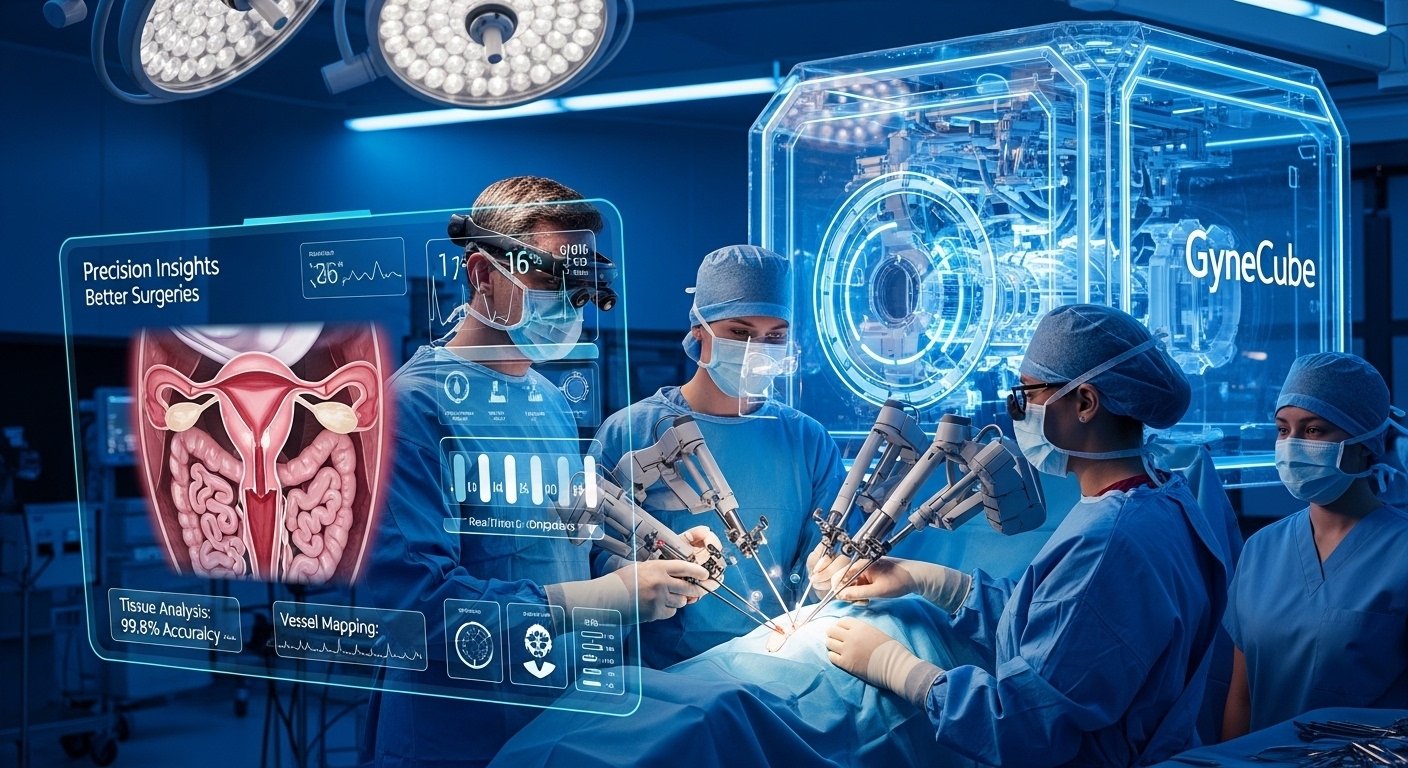
In the realm of modern healthcare, innovation is key to improving patient outcomes and surgical precision. Enter GyneCube—a groundbreaking tool designed specifically for gynecological surgeries. This innovative technology offers a fresh perspective on complex procedures, enabling surgeons to operate with unparalleled accuracy. Imagine a world where data-driven insights lead to better decisions in the operating room. With GyneCube, that vision is becoming a reality.
As we delve deeper into how GyneCube is transforming the landscape of healthcare, we’ll explore its remarkable benefits and the precision insights it provides during surgeries. The impact of this revolutionary tool goes beyond just numbers; it’s about enhancing lives through every procedure performed. Join us as we uncover success stories, discuss technological advancements, and consider both the advantages and challenges associated with this pioneering system. Welcome to the future of precision surgery!
How GyneCube is revolutionizing the healthcare industry
GyneCube is changing the landscape of healthcare in remarkable ways. By focusing on gynecological procedures, it offers a tailored approach that enhances patient outcomes.
This innovative tool integrates advanced technology with clinical expertise. Surgeons gain access to real-time data and analytics, allowing them to make more informed decisions during surgeries.
The emphasis on precision means fewer complications and shorter recovery times for patients. This shift not only improves individual experiences but also streamlines surgical processes across facilities.
Moreover, GyneCube fosters collaboration among healthcare professionals. Sharing insights from various cases leads to better practices and improved standards in care delivery.
As hospitals adopt this transformative technology, the potential for enhanced efficiency and effectiveness grows exponentially. The ripple effect can be felt throughout the entire healthcare system, paving the way for future advancements in surgery.
Read: Provascin Ultimate Guide to Heart and Circulation Support
Precision insights and data-driven decision making in surgeries
Precision insights are becoming vital in the surgical arena. With GyneCube, healthcare professionals can access real-time data that enhance decision-making during procedures.
These insights allow surgeons to tailor interventions based on individual patient needs. Rather than relying solely on traditional methods, they now have a wealth of information at their fingertips.
Data analytics helps predict potential complications and optimize strategies before making critical decisions. This approach minimizes risks and improves outcomes significantly.
Surgeons can analyze patterns from previous surgeries, enabling them to refine their techniques continuously. Each operation becomes an opportunity for learning and growth.
As technology advances, the capacity for precision will only increase, empowering teams with sharper tools to achieve successful results in the operating room. The integration of such data-driven methodologies is reshaping what we consider standard practice in surgery today.
Success stories of using GyneCube in gynecological surgeries
GyneCube has made waves in the realm of gynecological surgeries. Surgeons have reported significant improvements in precision and outcomes.
One notable success story comes from a renowned hospital that implemented GyneCube during laparoscopic procedures. The enhanced imaging capabilities allowed surgeons to identify anomalies more accurately, leading to faster diagnoses and reduced surgery times.
Another example highlights a patient who underwent a complex hysterectomy. With data insights provided by GyneCube, the surgical team tailored their approach based on her unique anatomy, minimizing complications and expediting recovery.
Feedback from medical staff emphasizes how GyneCube fosters collaboration among teams. Enhanced communication leads to better planning and execution during surgeries, ultimately benefiting patients’ health.
These stories reflect just a glimpse of the potential GyneCube offers in transforming surgical practices within gynecology. As it continues gaining traction, many await even more remarkable outcomes ahead.
The role of technology in enhancing surgical outcomes
Technology plays a pivotal role in modern surgeries, reshaping how procedures are performed. Advanced tools and software enhance precision, allowing surgeons to visualize complex anatomies with clarity.
Innovations like robotic-assisted surgery enable greater dexterity and control. Surgeons can perform intricate maneuvers that were once impossible. This minimizes trauma and leads to quicker recoveries for patients.
Data analytics also contributes immensely. By analyzing past surgical outcomes, healthcare professionals can identify best practices tailored to individual cases. GyneCube exemplifies this approach by providing valuable insights derived from extensive data sets.
Moreover, augmented reality (AR) is making waves in the operating room. It overlays critical information onto the surgeon’s view during procedures, facilitating informed decision-making on-the-fly.
As technology advances further, it will continue to refine surgical techniques and improve patient outcomes significantly. Embracing these innovations holds great promise for both surgeons and patients alike.
Potential challenges and limitations of using GyneCube
While GyneCube offers significant advancements, it is not without challenges. One major concern is the integration of this technology into existing healthcare systems. Many facilities may struggle with compatibility issues or require extensive training for staff.
Cost can also be a barrier. Implementing GyneCube involves financial investment in both equipment and training, which smaller clinics might find prohibitive.
Additionally, while data-driven insights are valuable, they depend on accurate input from users. Poor data quality could lead to suboptimal decision-making during surgeries.
Privacy and security concerns surrounding patient data remain critical as well. Safeguarding sensitive information must be prioritized to maintain trust among patients and providers alike.
Reliance on technology can inadvertently diminish traditional surgical skills if not balanced properly within medical education and practice.
Read: Fonendi
The future of precision surgery with GyneCube
The future of precision surgery with GyneCube holds immense promise. As the landscape of healthcare evolves, innovative technologies like GyneCube are paving the way for enhanced surgical procedures.
With advanced algorithms and real-time data analysis, this tool empowers surgeons to make informed decisions during operations. The ability to visualize complex anatomical structures in detail is a game-changer.
Moreover, as artificial intelligence continues to improve, we can expect even more refined insights from GyneCube. This means fewer complications and faster recovery times for patients.
Collaboration between technology developers and medical professionals will be crucial. Together, they can refine these tools further, ensuring they’re tailored to meet the specific needs of gynecological surgeries.
As we look ahead, one thing is clear: GyneCube has the potential not just to transform individual surgeries but also to redefine standards across the entire field of medicine.
Conclusion
The emergence of GyneCube marks a significant turning point in the realm of healthcare, particularly in gynecological surgeries. By harnessing precision insights and advanced data analytics, it provides surgeons with real-time information that enhances their decision-making process. This innovative tool not only improves surgical outcomes but also boosts patient confidence as they navigate complex medical procedures.
Success stories abound, showcasing how GyneCube has transformed surgical practices across various hospitals. Surgeons equipped with this technology report increased accuracy and reduced recovery times for patients. The integration of cutting-edge technology into these delicate procedures is paving the way for more efficient and successful interventions.
However, as with any new advancement, there are challenges to consider. Implementation requires training and adaptation within existing medical frameworks. Additionally, while the benefits are substantial, it is crucial to maintain an open dialogue about potential limitations and ethical considerations surrounding its use.
Looking ahead, GyneCube stands at the forefront of precision surgery’s future. As healthcare continues to evolve through technological advancements, tools like GyneCube will play an essential role in shaping better practices and outcomes for both healthcare providers and patients alike.
With each passing day, the promise of enhanced surgical experiences becomes increasingly tangible—making it evident that innovations like GyneCube could redefine what we understand about surgery today.