 By Callumlangham@gmail.com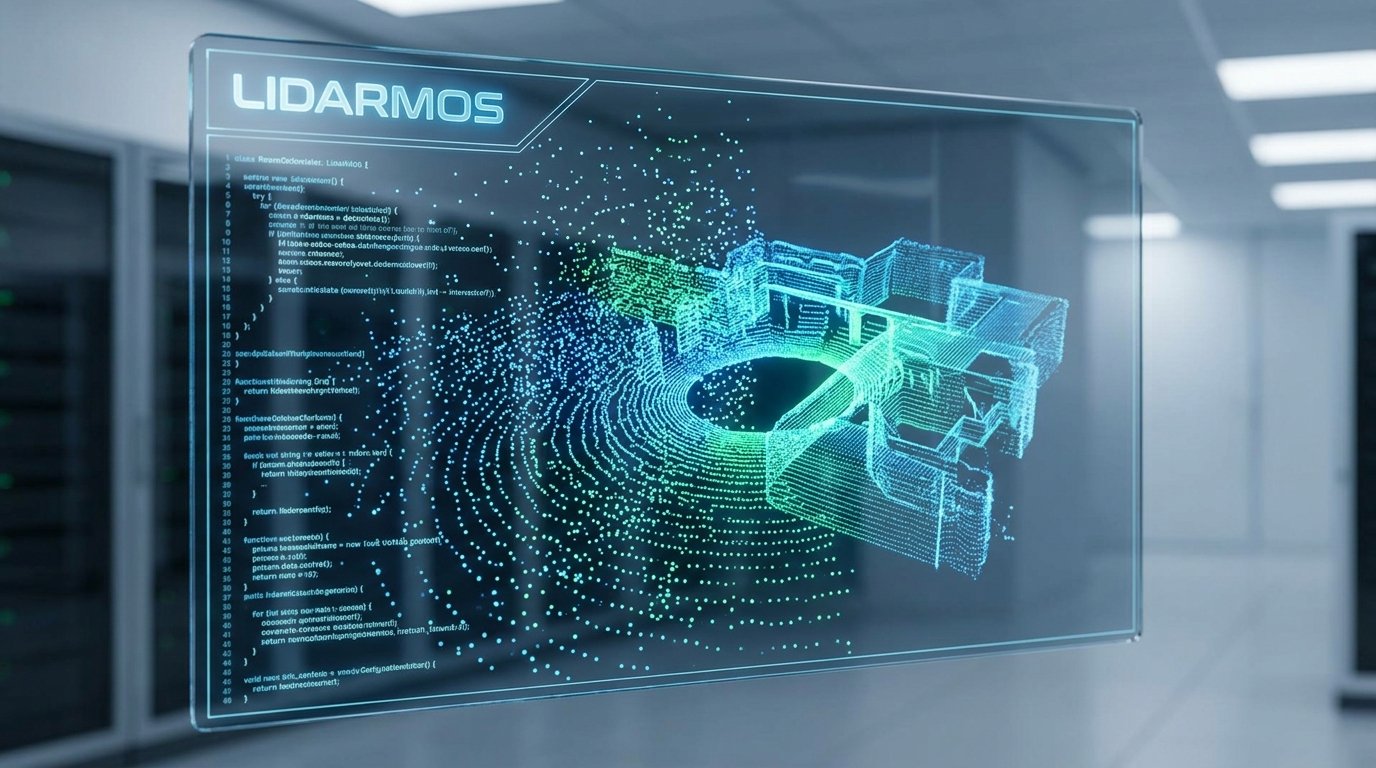
Lidarmos is an advanced spatial visualization framework that combines LiDAR technology with modern data modeling to transform raw environmental data into interactive 3D representations. It plays a critical role in architecture, urban planning, environmental monitoring, and construction by improving accuracy, collaboration, and sustainability. By enabling precise measurements, real-time analysis, and data-driven decision-making, Lidarmos is reshaping how professionals design, plan, and manage physical spaces. Its integration with emerging technologies positions it as a key driver of innovation in future smart cities and digital infrastructure.
Lidarmos is capturing the attention of industries ranging from architecture to conservation. But what exactly does this term mean, and why is it suddenly everywhere? As technology advances, so do our methods for understanding and interacting with the world around us. Lidarmos represents a significant leap forward in how we visualize spaces and landscapes through cutting-edge techniques.
Imagine transforming raw data into stunning visual representations that can redefine planning processes. Whether you’re an architect seeking innovative designs or a developer looking for precise measurements, Lidarmos opens doors to endless possibilities. In this blog post, we’ll delve into the essence of Lidarmos, explore its importance across various fields, and highlight how it’s shaping the future of architecture like never before. Join us as we unravel the intricacies behind this fascinating concept!
What is Lidarmos?
Lidarmos is an innovative term emerging from the intersection of LiDAR technology and advanced modeling systems. At its core, it represents a sophisticated approach to gathering and interpreting spatial data. The name itself hints at its roots in Light Detection and Ranging (LiDAR), a method that employs lasers to measure distances with remarkable accuracy.
What sets Lidarmos apart is how it integrates this data into user-friendly formats. Instead of just raw measurements, it transforms complex datasets into interactive models that can be easily analyzed and manipulated. This shift makes understanding intricate landscapes or architectural designs far more accessible for professionals across various fields.
The process begins with LiDAR capturing millions of points from the environment, creating what’s known as point clouds. These point clouds provide detailed topographical information that can reveal subtle changes in terrain or structures over time. When processed through Lidarmos, these point clouds become dynamic visualizations that tell a compelling story about the landscape’s characteristics.
Another essential aspect of Lidarmos is its versatility. It caters not only to architects but also urban planners, environmentalists, and even researchers involved in historical preservation efforts. By providing an accurate representation of physical spaces, it’s becoming indispensable for those who rely on precise details for their work.
Furthermore, Lidarmos enhances collaboration among teams by offering shared platforms where everyone can engage with 3D models simultaneously. This capability fosters creativity while ensuring all stakeholders are aligned during project development phases.
As sustainability becomes increasingly relevant in today’s world, Lidarmos plays a crucial role by enabling smart planning practices. Its ability to visualize potential impacts allows decision-makers to prioritize eco-friendly solutions without compromising design integrity or functionality.
With advancements continuing at breakneck speed within technology realms like artificial intelligence and machine learning intertwined with LiDAR capabilities through Lidarmos—new applications are constantly surfacing every day!
Why It Matters
Lidarmos is rapidly emerging as a pivotal concept in various fields, particularly architecture and urban planning. Its importance lies not just in its innovative approach but also in how it reshapes our understanding of spatial relationships.
One reason Lidarmos matters is its capability to enhance precision. By integrating advanced data collection methods, professionals can achieve unprecedented accuracy in their projects. This level of detail allows for more informed decision-making throughout the design process.
Another aspect that makes Lidarmos significant is sustainability. As concerns about climate change grow, there’s an increasing need for eco-friendly architectural solutions. With accurate data provided by Lidarmos, architects can create designs that minimize environmental impact while maximizing efficiency.
Collaboration stands out as one of the core strengths of Lidarmos. The platform encourages interdisciplinary teamwork among architects, engineers, and planners. Such collaboration fosters innovation and ensures that all perspectives are considered during project development.
Moreover, accessibility plays a crucial role in why Lidarmos resonates with many stakeholders today. It democratizes access to high-tech tools previously available only to larger firms or specialized companies. Smaller practices can now leverage cutting-edge technology without hefty investments.
The adaptability of Lidarnos cannot be overlooked either. Whether it’s residential buildings or large-scale infrastructure projects, this tool proves versatile across different applications within architecture and beyond.
Public engagement benefits significantly from what Lidarmos offers as well. When communities have better visualization tools at their disposal through this platform, they become active participants in the planning process rather than passive observers—leading to outcomes that truly reflect community needs.
Applications of Lidarmos
Lidarmos is making waves across various industries, showcasing its versatility in applications. One of the most talked-about uses is in environmental monitoring. By harnessing advanced sensors, Lidarmos captures detailed data about ecosystems. This capability allows researchers to assess forest health and track changes over time.
Urban planning also benefits significantly from Lidarmos technology. City planners can use it to create accurate 3D models of urban spaces. These models help visualize potential developments and their impact on communities, ensuring better decision-making processes.
In agriculture, farmers are turning to Lidarmos for precision farming techniques. The technology provides insights into soil conditions and crop health through aerial surveys. Farmers can optimize irrigation and fertilization based on real-time data, leading to more sustainable practices.
The construction industry has found a valuable ally in Lidarmos as well. Building projects require precise measurements for safety and efficiency; this technology offers high-resolution mapping that streamlines the planning phase. Construction managers can identify potential issues before they arise, saving both time and resources.
Additionally, historical preservation efforts have embraced Lidarmos for documenting heritage sites accurately without invasive methods. It enables archaeologists to create detailed records of ancient structures or artifacts while respecting their integrity by avoiding physical contact during surveying.
The transportation sector sees significant advantages too with Lidarnos implementation in autonomous vehicles’ navigation systems. High-resolution maps generated by this technology improve route optimization while enhancing safety measures on the roads—critical components as more vehicles transition toward automation.
The energy sector utilizes Lidarnos for wind turbine inspections as well as solar panel layout assessments at scale locations like farms or fields dedicated entirely to renewable energy initiatives; these assessments contribute towards maximizing efficiency outputs sustainably! Each application shows how diverse yet impactful lidarm technologies truly are today!
The Role of LiDAR in Lidarmos’ Vision
LiDAR, which stands for Light Detection and Ranging, plays a crucial role in the vision behind Lidarmos. This advanced technology harnesses laser beams to measure distances with incredible precision. By sending out rapid pulses of light and measuring how long it takes for them to bounce back, LiDAR creates detailed 3D maps of landscapes.
One of the standout features of LiDAR is its ability to penetrate vegetation. This means that while traditional imaging techniques might struggle in forested areas, LiDAR can provide clear data about the ground beneath trees or shrubs. For Lidarmos users, this capability opens up new possibilities in site analysis and planning.
The integration of LiDAR into Lidarmos enhances accuracy significantly. Architects and planners rely on precise measurements when designing structures or creating urban layouts. With LiDAR data at their fingertips, they can assess topography more effectively than ever before.
Moreover, real-time processing through LiDAR allows for immediate feedback during the design phase. As modifications are made to plans or proposals, updated models become available rapidly thanks to continuous scanning capabilities. This agility streamlines collaboration across teams involved in projects.
Additionally, by employing aerial platforms like drones equipped with LiDAR sensors, organizations using Lidarmos gain access to hard-to-reach locations without physical intervention. This approach minimizes disruption while providing high-quality spatial information needed for decision-making processes.
LiDAR’s ability also extends beyond mere distance measurement; it captures additional data points such as surface textures and material types within its scans. Such rich datasets empower professionals working with Lidarnos not only to visualize but also analyze various aspects related directly or indirectly to architecture.
As technology continues evolving at an unprecedented pace—making previously challenging tasks simpler—the role played by LiDAR within Lidarmos will likely expand further over time alongside emerging innovations that enhance architectural practices today.
Why It Matters in Architecture
Lidarmos is becoming increasingly significant in the field of architecture. Its unique capabilities allow architects to visualize and analyze spaces like never before. This technology harnesses advanced data collection methods, leading to more informed design decisions.
One of the key advantages is precision. Utilizing Lidarmos enables architects to capture detailed measurements and environmental characteristics that traditional methods might overlook. This accuracy results in designs that are both functional and aesthetically pleasing.
Moreover, Lidarmos facilitates better collaboration among teams. Architects can share 3D models and spatial data with engineers, contractors, and clients seamlessly. This transparency fosters a unified vision for projects from the early stages through completion.
Sustainability also plays a role in why Lidarmos matters in architecture. The ability to assess site conditions thoroughly allows for eco-friendly design choices. Architects can consider factors such as natural light exposure or energy efficiency right from the planning phase.
Additionally, this technology enhances risk management during construction processes. With real-time monitoring provided by LiDAR systems integrated into Lidarmos methodologies, potential issues can be identified quickly—minimizing costly errors down the line.
The integration of Lidarmos promotes innovation within architectural practices too. By utilizing cutting-edge techniques alongside traditional approaches, designers can push boundaries further than ever before while maintaining safety standards essential for modern buildings.
Architects who adopt Lidarnos find themselves at an advantage in a competitive market where client expectations continue to rise rapidly.
The Future of Architecture with Lidarmos
The future of architecture is poised for a significant transformation with the advent of Lidarmos technology. As architects and engineers embrace this innovative approach, they are challenged to rethink traditional design processes and construction methods. The precision offered by Lidarmos allows for intricate designs that were previously deemed impractical or impossible.
Imagine creating complex forms that not only stand out aesthetically but also integrate seamlessly into their environments. With the data-driven insights provided by Lidarmos, architects can analyze how structures interact with surrounding elements, like light and airflow. This leads to more sustainable practices as buildings become increasingly energy efficient.
Moreover, collaboration across disciplines will thrive in this new landscape. Architects will work closely with urban planners, environmentalists, and technologists using shared data from LiDAR systems embedded within Lidarmos frameworks. Such cooperation invites creativity while ensuring functional viability.
As smart cities emerge around the globe, Lidarmos plays a crucial role in shaping our urban spaces. By leveraging real-time data collection from various sensors integrated into architectural projects, we can anticipate changes in climate patterns or population density shifts—leading to smarter infrastructure decisions.
In education too, institutions are beginning to incorporate Lidarnos methodology into curriculums preparing students for an evolving profession where technological proficiency is key. Those entering the field equipped with skills related specifically to these tools will find themselves at an advantage when entering a competitive job market.
As public interest grows regarding sustainability and eco-friendly design practices driven by innovations such as those seen through Lidarnos application; stakeholders ranging from community members to government entities are likely going to seek engagement opportunities earlier than before—a shift towards inclusivity that could redefine project outcomes entirely.
The horizon ahead is rich with possibilities thanks largely due advancements stemming from integrating cutting-edge technologies like Lidarmos into architecture’s core ethos moving forward!