
 By Callumlangham@gmail.com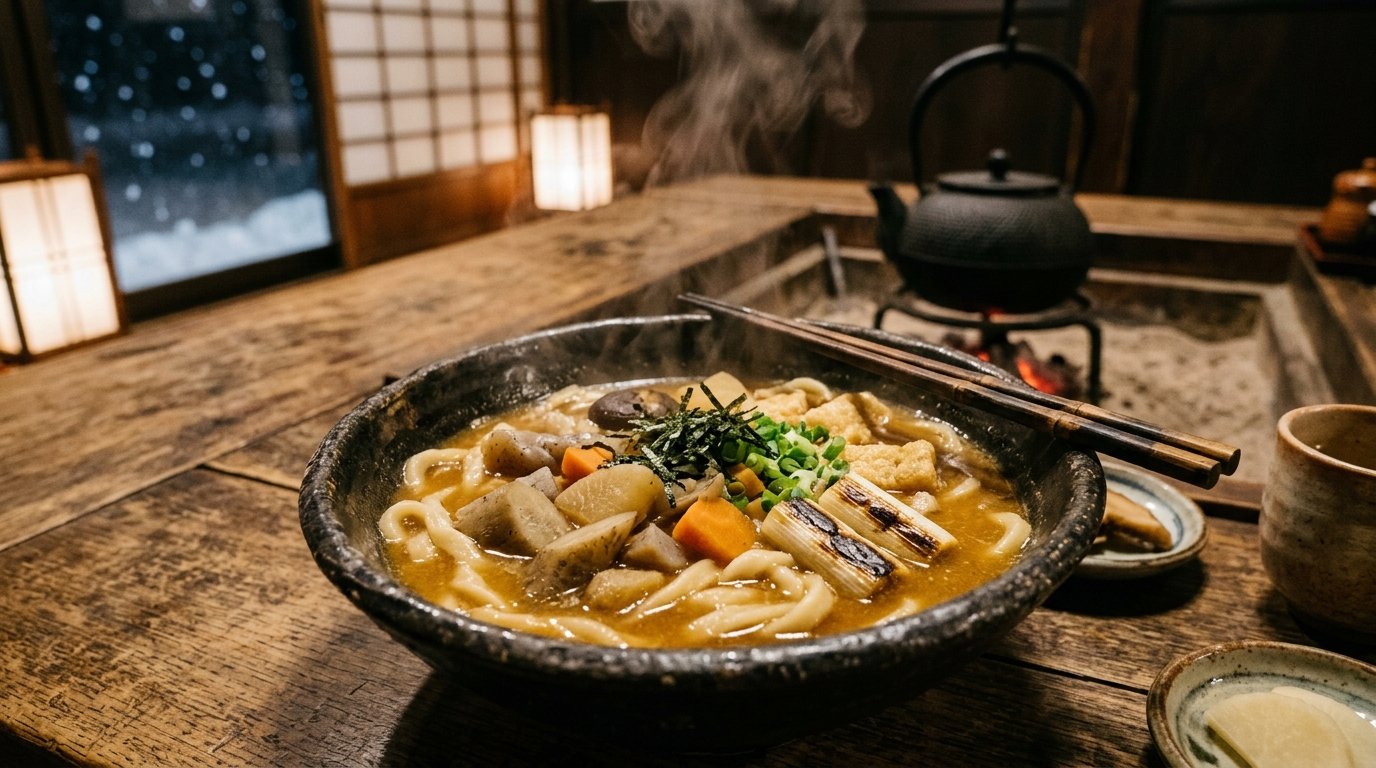
Soutaipasu is a traditional Japanese winter noodle dish known for its thick wheat noodles and deeply fermented broth, often made with miso or soy-based seasoning. Originating in the cold mountain regions of Japan, the dish was developed as a warming, nutrient-dense meal for farmers during long winters. Soutaipasu typically includes root vegetables such as daikon, burdock root, mushrooms, ginger, and proteins like pork or tofu. Regional variations exist across places such as Hokkaido, Tohoku, and Niigata Prefecture, each influencing the broth’s richness and ingredients. Today, soutaipasu remains a seasonal comfort food and cultural staple, blending traditional preparation techniques with modern adaptations.
This article examines how the dish grew from a humble mountain farmer’s meal into a refined culinary art. We will look at the history and origins of the craft, noting how isolation in snowy regions forced innovation in food preservation. You will learn about the regional influences that dictate whether a broth is clear or opaque. The text details the specific ingredients used and the health benefits they offer, such as ginger for digestion and mushrooms for immunity. We explore the core ingredients that define the authentic experience and the traditional preparation techniques that chefs have passed down through generations.
Different variations exist across Japan, and we will compare how these are prepared in various climates. Finally, the discussion covers modern adaptations and the signature dishes that any food enthusiast should seek out. By understanding these elements, you can appreciate why this noodle style remains a vital part of Japan’s seasonal food identity.
History and Origins of Soutaipasu
The story of soutaipasu begins in the high-altitude regions of the Japanese Alps. During the Edo period, remote villages faced long winters with limited access to fresh coastal fish. Farmers needed a meal that could be made from stored grains and preserved vegetables. They developed a style of noodle that was thicker and more resilient than standard ramen or soba. These noodles could withstand long simmering times in a communal iron pot, known as an irori. The name itself stems from local dialects referring to “total warmth” or “paired peace,” reflecting the communal nature of sharing a large pot of hot food.
As trade routes improved, the dish moved from private homes to roadside inns. Travelers crossing the snowy passes relied on these noodle houses for survival. The high calorie count and salt content were necessary for those performing physical labor in sub-zero temperatures. Monks in mountain temples also adopted the dish, stripping away the meat but keeping the calorie-dense root vegetables. This religious influence helped standardize the seasoning process, moving the dish toward a more balanced flavor profile.
By the early 20th century, the dish started appearing in urban centers like Sapporo and Sendai. Migrants from the countryside brought their family recipes to the cities. While it remained a seasonal specialty, it gained a reputation as a “soul food” for the working class. It stood apart from other noodle dishes because it never transitioned into a fast-food item. The long preparation times required for the broth and the hand-kneading of the dough kept it firmly in the category of slow food. Today, it is recognized as a cultural treasure that links modern Japan to its rugged, agrarian past.
Soutaipasu and regional influences
Geography plays a massive role in how soutaipasu tastes and looks. In the northernmost parts of Hokkaido, the dish is defined by its richness. Chefs often add a slab of local butter or corn to the bowl. This creates a fat layer on top of the broth, which acts as an insulator to keep the soup boiling hot even in freezing rooms. The noodles here are often yellow and curly, designed to “grab” the heavy, miso-based soup. In these areas, the focus is on pure caloric density to fight off the extreme cold.
Moving toward the Tohoku region, the influence shifts toward forest products. Here, the broth is often lighter but infused with the earthy taste of dried shiitake and maitake mushrooms. Regional cooks might use walnut paste to thicken the soup, giving it a creamy texture without using dairy. This version is more aromatic and leans into the natural sweetness of mountain herbs. The noodles in Tohoku are often flatter, resembling wide ribbons that soak up the woody notes of the broth.
In the coastal regions of Niigata, the sea influences the pot. While still a winter noodle, the base includes dried sardines (niboshi) and kelp (konbu). This creates a sharper, saltier profile compared to the earthy mountain versions. The “sea-style” soutaipasu often features fish cakes or tempura-fried seafood as a topping. These regional differences are fiercely protected by local chefs. Each prefecture views its version as the “authentic” one, leading to a diverse landscape of flavors that change every few hundred miles.
The Ingredients Used in Soutaipasu and their health benefits
The components of soutaipasu are selected for more than just flavor; they serve functional health purposes. The most prominent medicinal ingredient is fresh ginger. In Japanese folk medicine, ginger is a “warming” food that stimulates blood flow to the extremities. When grated into the hot broth, it helps diners maintain their core temperature long after they finish the meal. This was historically vital for preventing illness during the damp, cold months.
Root vegetables like burdock root (gobo) and daikon radish are staples in every bowl. Burdock is high in fiber and antioxidants, which help with gut health and detoxification. Daikon acts as a digestive aid, helping the body process the heavy wheat noodles. These vegetables are often simmered until they are soft but still hold their shape, providing a range of textures. The inclusion of fermented pastes, such as red or white miso, provides probiotics that support the immune system during flu season.
Protein sources in the dish vary, but they usually include tofu skin (inari) or lean pork. These provide the amino acids necessary for muscle repair. Some modern versions include spinach or bok choy, which add Vitamin C and iron. Because the dish is cooked in a single pot, many of the water-soluble vitamins that would normally be lost in boiling are preserved in the broth. This makes the soup itself a nutrient-dense tonic. Drinking the entire bowl of broth is encouraged as a way to receive the full nutritional profile of the ingredients.
Core Ingredients That Define Soutaipasu
To be considered true soutaipasu, certain ingredients must be present. The foundation is the flour blend used for the noodles. Unlike ramen, which uses alkaline water, soutaipasu noodles often use a mix of wheat and a small amount of roasted soy flour. This gives the noodles a nutty scent and a tan color. The texture must be “mochi-mochi,” a Japanese term for bouncy and chewy. If the noodles are too thin or soft, they cannot withstand the heavy toppings.
The second core element is the “tare,” or the concentrated seasoning base. For this specific dish, the tare is almost always a blend of three different fermented pastes. A typical mix includes a salty three-year-aged miso, a sweeter white miso, and a dash of koji (malted rice). This combination creates a complex “umami” that hits different parts of the palate. Without this specific fermented depth, the dish would just be a standard vegetable soup.
Finally, the dish requires a “suji” or a textured topping that provides contrast. Traditionally, this is “konnyaku,” a firm jelly made from devil’s tongue yam. It has no flavor of its own but absorbs the broth and provides a unique, rubbery snap that contrasts with the soft vegetables. Leeks (negi) are also mandatory. They are sliced thick and charred before being added to the bowl. The char adds a smoky element that cuts through the richness of the fermented broth.
Traditional Preparation Techniques
Preparation begins at least twenty-four hours before the meal is served. The broth base starts with cold-soaking konbu and dried mushrooms. Heating these ingredients too quickly can result in a bitter taste, so a slow extraction is preferred. Once the base liquid is ready, it is kept at a bare simmer. It must never reach a rolling boil, as this would cloud the soup and ruin the delicate balance of the sea and forest flavors.
The noodle-making process is labor-intensive. The dough is high-hydration, making it sticky and difficult to work with. Traditional makers often use their feet to knead the dough—wrapped in clean plastic and cloth—to apply enough pressure to develop the gluten. This “foot-kneading” results in a density that hand-kneading cannot match. After resting for several hours, the dough is rolled out and cut into thick, irregular strands. The irregularity is intentional; it allows the broth to cling to the noodles more effectively.
Vegetables are prepared using a technique called “rangiri,” or irregular wedge cutting. This increases the surface area of the vegetables, allowing them to cook faster while absorbing more of the seasoning. The miso is never boiled. Instead, it is whisked into the broth at the very last second using a bamboo strainer. This preserves the live cultures and the fresh aroma of the fermentation. This attention to temperature and timing is what separates a professional bowl from a home-cooked version.
The Different Variations of Soutaipasu and how they are prepared
While the core remains the same, preparation methods diverge into three main styles: the “Mountain” style, the “Coastal” style, and the “Temple” style. The Mountain style is the most common. It is prepared by sautéing root vegetables in sesame oil before adding the liquid. This “frying-first” method creates a richer, more savory profile. The noodles are boiled directly in the soup, which releases starch and thickens the entire meal into something resembling a stew.
The Coastal style is prepared differently. The noodles are boiled in a separate pot of plain water and then rinsed to remove excess starch. They are then placed in a bowl, and a clear, fish-based broth is poured over them. This version is much cleaner and highlights the quality of the noodles themselves. The toppings are usually steamed or lightly poached to keep the flavors distinct and bright. This style is preferred in areas where the winters are chilly but not brutally snowy.
The Temple style, or “Shojin Soutaipasu,” is strictly vegan. It uses a broth made from charred onions and dried kombu. To achieve the necessary richness without meat or oil, chefs use ground sesame seeds or soy milk as a thickener. The preparation involves a slow-reduction process that can take up to twelve hours. This style is considered the most difficult to master because the chef cannot rely on animal fats for flavor. It relies entirely on the quality of the vegetables and the precision of the seasoning.
Modern Variations and Adaptations
In recent years, younger chefs have started to experiment with the traditional formula to appeal to modern palates. One popular adaptation is “Spicy Soutaipasu.” This version incorporates chili oil and fermented bean paste (doubanjiang), reflecting a Chinese culinary influence. The heat from the peppers complements the natural warming properties of the ginger, making it a favorite in trendy urban noodle shops. This version often features ground pork rather than sliced meat.
Another modern twist is the “Carbonara Style.” This adaptation uses the thick soutaipasu noodles but replaces the traditional broth with a mixture of miso, cream, and egg yolk. It is a fusion of Japanese and Italian comforts. While purists may scoff, this version has become a hit in Tokyo’s business districts. It provides the same comforting weight as the original but with a flavor profile that appeals to those raised on a more globalized diet.
Health-conscious diners have driven the creation of “Grain-Free Soutaipasu.” In these bowls, the wheat noodles are replaced with strands made from zucchini or shirataki (yam noodles). While the texture is different, the use of the traditional fermented broth and mountain vegetables keeps the spirit of the dish alive. Some restaurants also offer “Deconstructed Soutaipasu,” where the broth is served as a dipping sauce on the side. This allows the diner to control the level of salt and heat in every bite.
Signature Soutaipasu Dishes You Should Experience
If you are looking for the definitive experience, the “Koshu Style” is the place to start. This dish features exceptionally wide noodles—sometimes two inches across—served in a pumpkin-infused miso broth. The pumpkin dissolves slightly, turning the soup a deep orange and adding a natural sweetness that balances the salty miso. It is often served in a heavy iron pot that continues to cook the vegetables as you eat. It is widely considered the most comforting version of the dish.
For those who prefer a more refined flavor, the “Kyoto Winter White” is a must-try. This version uses only the highest grade of white miso and “bijofu” (delicate wheat gluten). The broth is silky and pale, with a subtle sweetness. It is typically garnished with yuzu peel, which provides a citrusy fragrance that cuts through the winter gloom. It is a lighter, more elegant take on a dish that is usually known for its bulk.
Finally, the “Wild Game Soutaipasu” found in the Gifu prefecture offers a taste of the ancient hunting traditions. This version uses boar or venison meat, which provides a gamy, robust flavor that stands up to the strongest fermented pastes. The broth is dark and peppery, designed to be eaten after a day in the forest. Each of these signature dishes offers a window into a different part of Japanese life, proving that a simple bowl of noodles can hold the history of an entire region.