
 By Callumlangham@gmail.com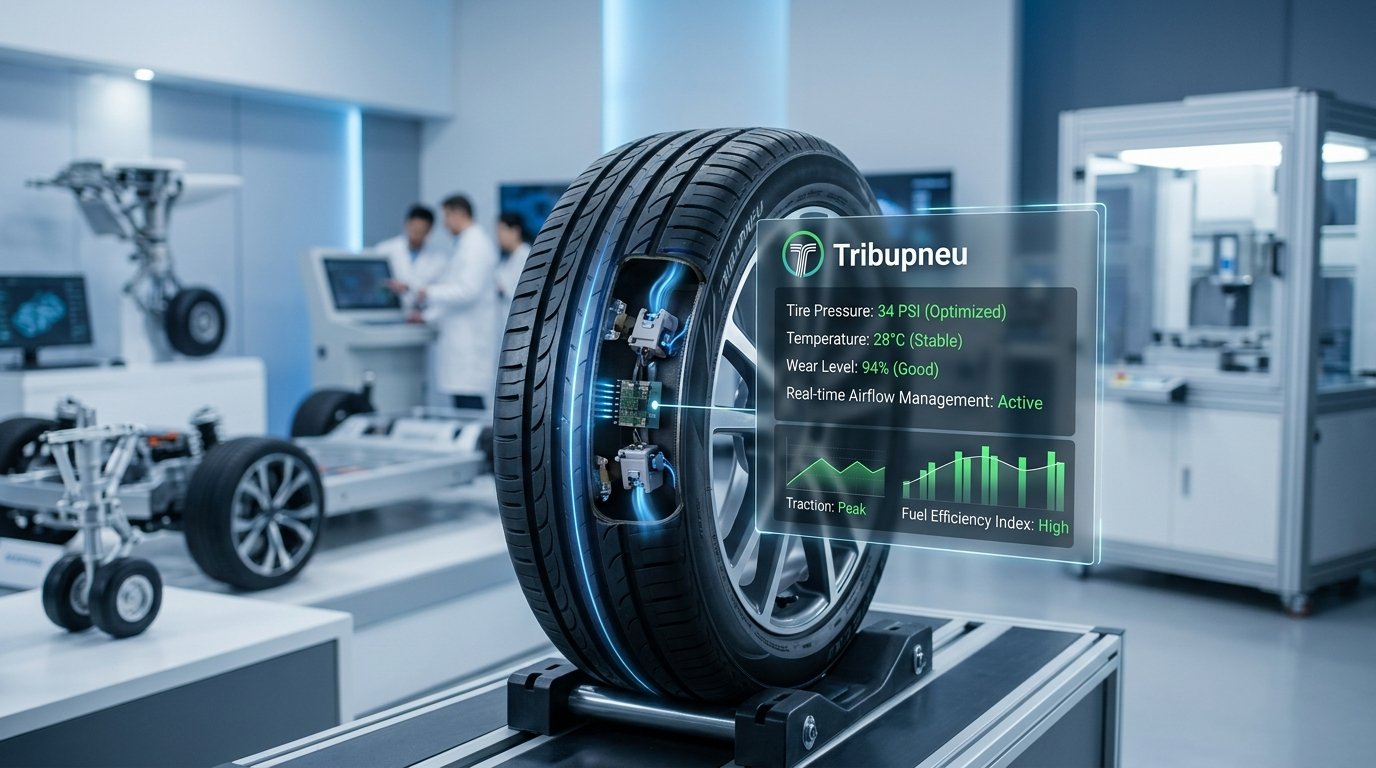
Tribupneu is an innovative smart tire technology designed to improve vehicle safety, performance, and efficiency through real-time pressure and airflow management. Using advanced sensors, robotics, and automated systems, Tribupneu continuously monitors tire conditions such as pressure, temperature, and wear to optimize traction, fuel efficiency, and durability. Its applications extend beyond automotive use into sectors like medical devices, aerospace engineering, and manufacturing. As vehicles and systems become more connected, Tribupneu technology is expected to play a key role in safer transportation, smarter infrastructure, and integrated digital health ecosystems.
Understanding Tribupneu Technology
Tribupneu technology is revolutionizing the way we approach tire performance and safety. At its core, this innovative system integrates smart features that actively respond to changing conditions, ensuring optimal functionality. Gone are the days of static tires; Tribupneu adapts in real-time for a seamless driving experience.
How does it achieve this? By utilizing advanced sensors and algorithms, Tribupneu monitors various factors such as pressure, temperature, and wear. This data allows for precise adjustments that enhance stability and fuel efficiency while reducing risks associated with under-inflation or overloading.
The potential applications of Tribupneu extend far beyond traditional vehicles. Its adaptability makes it suitable for diverse sectors like aerospace engineering and manufacturing lines—where precision matters most. As we delve deeper into its capabilities, it’s clear that Tribupneu sets a new standard in automotive technology.
What is Tribupneu Technology?
Tribupneu technology represents a groundbreaking advancement in tire solutions, merging safety and performance seamlessly. It utilizes smart materials and innovative design to enhance traditional tires’ functionality. This technology focuses on optimizing various aspects of tire behavior, ensuring superior traction and stability.
At its core, Tribupneu is engineered to adapt to real-time conditions while maintaining optimum pressure levels. By incorporating sensors that monitor environmental factors, it provides critical data for improved decision-making during drives or operations. The integration of these intelligent features promotes better handling and extends the lifespan of tires.
This dynamic approach not only elevates driving experiences but also significantly contributes to overall vehicle safety. With Tribupneu technology, users can expect reduced wear and tear on tires while enjoying enhanced performance across diverse terrains and conditions.
How Tribupneu Technology Works
Tribupneu technology operates on the principle of dynamic airflow management. By using advanced sensors and control systems, it actively adjusts tire pressure according to road conditions and driving behavior. This real-time adjustment enhances grip, stability, and overall vehicle performance.
The system employs a network of miniature pumps strategically placed within the tire structure. These pumps can inflate or deflate sections of the tire based on data received from onboard diagnostics. This allows for optimal contact with the road surface, improving traction during different weather scenarios.
Moreover, Tribupneu integrates seamlessly with existing vehicle technologies. It communicates with electronic stability control systems and other safety features to enhance responsiveness while reducing wear on tires over time. The combination results in improved fuel efficiency alongside heightened safety standards.
Key Features and Benefits of Tribupneu Systems
Tribupneu systems are revolutionizing how we approach tire performance and safety. One of their standout features is smart airflow control, which adapts to changing road conditions. By automatically adjusting tire pressure, these systems enhance grip and fuel efficiency.
Robotics and automation play a crucial role in Tribupneu technology. This allows for seamless integration into various applications, ensuring consistent performance with minimal human intervention. The precision offered by automated processes reduces the risk of errors associated with manual adjustments.
Moreover, Tribupneu promotes longevity in tires by preventing unnecessary wear and tear. With better air regulation, drivers experience improved handling and reduced likelihood of blowouts. This not only enhances vehicle safety but also contributes to cost savings over time through decreased maintenance needs.
Smart airflow control
Smart airflow control is a game-changer in tire technology. This innovative feature allows for real-time adjustments to air pressure based on driving conditions and load requirements. It ensures that tires maintain optimal performance throughout their lifespan.
By actively managing the airflow within the tire, it enhances fuel efficiency and improves traction. The system detects changes in temperature and road surfaces, making immediate modifications as needed. This adaptability leads to safer driving experiences.
Moreover, smart airflow control reduces wear and tear on tires, extending their longevity. With precise monitoring systems in place, drivers can feel confident knowing that every journey is optimized for safety and performance. Embracing this technology not only elevates vehicle handling but also promotes overall wellness by minimizing the risk of blowouts or accidents caused by inadequate tire pressure.
Robotics and automation
Robotics and automation are integral to enhancing the Tribupneu system’s functionality. These technologies work together to streamline processes, allowing for precise adjustments in real-time. This means that any variations in tire pressure or performance can be corrected almost instantaneously.
By integrating robotics, manufacturers can automate repetitive tasks within the production of smart tires. This not only increases efficiency but also improves accuracy, leading to higher quality products. The result is a more reliable tire solution that meets rigorous safety standards.
Moreover, automation allows for continuous monitoring of tire conditions during operation. Sensors embedded within the Tribupneu systems communicate with robotic units to ensure optimal performance on various terrains. With this synergy between robotics and Tribupneu technology, users experience safer rides and enhanced driving experiences across diverse applications.
Applications of Tribupneu Technology
Tribupneu technology is making waves across various industries, showcasing its versatility and innovative approach. In medical devices, for instance, it enhances patient care by enabling smart monitoring systems that provide real-time data on vital signs. This capability allows healthcare professionals to respond swiftly to changes in a patient’s condition.
In aerospace engineering, Tribupneu systems contribute to safety and efficiency. They optimize airflow control within aircraft designs, improving fuel efficiency and performance during flight. By integrating advanced robotics and automation with Tribupneu technology, manufacturers can achieve unprecedented precision in production processes.
Moreover, manufacturing lines benefit significantly from this innovation. The ability to regulate tire pressure dynamically leads to improved machinery performance and reduced maintenance costs. This application not only boosts productivity but also minimizes downtime across various sectors.
Medical devices
Tribupneu technology is making waves in the medical device industry. This innovative approach offers enhanced safety and performance for various applications, including patient monitoring systems and surgical instruments. By integrating smart airflow control mechanisms, devices can accurately sense changes in pressure, allowing healthcare professionals to respond swiftly.
The precision of Tribupneu technology ensures that medical equipment operates efficiently under varying conditions. For instance, ventilators utilizing this system can adjust air delivery based on real-time data from patients. This adaptability is crucial for providing tailored care and improving patient outcomes.
Moreover, robotics combined with Tribupneu enhances surgical procedures by offering greater stability and precision during operations. Surgeons can rely on these advanced tools to navigate complex tasks more effectively while minimizing human error. As a result, patients benefit from improved recovery times and overall health management through cutting-edge innovations in their care.
Aerospace engineering
Tribupneu technology is making waves in aerospace engineering by enhancing safety and performance. The unique properties of Tribupneu systems allow for optimized tire pressure management, which is crucial during takeoff and landing. This precision reduces the risk of tire blowouts, ensuring aircraft operate safely under various conditions.
Moreover, Tribupneu’s smart airflow control enables real-time monitoring of tire health. Sensors embedded within the tires provide critical data on structural integrity and wear levels. Engineers can make informed decisions based on this information, extending the lifespan of aircraft tires significantly.
The integration of robotics and automation with Tribupneu also streamlines maintenance processes in aerospace settings. Automated systems can adjust tire pressure dynamically during flight operations, minimizing human error while maximizing efficiency in high-stakes environments like air travel.
Manufacturing lines
Tribupneu technology is revolutionizing manufacturing lines by enhancing productivity and efficiency. This innovative system integrates smart airflow control with advanced robotics, allowing for seamless operation across various processes. With precise adjustments to tire pressure, it ensures optimal performance while reducing downtime.
Incorporating Tribupneu systems into assembly lines minimizes the risk of mechanical failure. The automated features provide real-time monitoring, enabling quick responses to any irregularities. By maintaining consistent air pressure, machinery operates smoothly and safely.
Moreover, Tribupneu’s adaptability makes it suitable for diverse manufacturing environments. Whether in automotive production or electronics assembly, this technology can be tailored to meet specific industry needs. As manufacturers increasingly prioritize safety and efficiency, Tribupneu stands out as a crucial component in modern production strategies.
Tribupneu for Wellness and Health
Tribupneu technology is making waves in the wellness and health sector. By harnessing advanced airflow control, it optimizes environments for better physical well-being. This innovative system can adjust conditions based on real-time data, promoting comfort and enhancing overall health.
Incorporating Tribupneu into daily life can lead to improved sleep quality and increased energy levels. For instance, its application in bedding or personal care products creates a balanced atmosphere that fosters relaxation. The benefits are tangible and can transform how we experience our living spaces.
However, it’s essential to consider potential risks associated with new technologies. While Tribupneu offers significant advantages, users should remain aware of individual sensitivities or allergies related to specific materials used in these systems. Understanding these factors ensures safe usage while maximizing wellness benefits.
Incorporating Tribupneu for optimal health
Incorporating Tribupneu technology into daily health regimens can lead to significant improvements in overall wellness. This innovative system uses advanced airflow control to enhance comfort and support various bodily functions. By optimizing pressure levels, users can experience better circulation and reduced discomfort.
Moreover, integrating Tribupneu solutions into wearable devices offers real-time feedback on physical activity and health metrics. The ability to monitor changes instantly allows individuals to make informed decisions about their lifestyle choices.
Tribupneu’s potential also extends to rehabilitation applications, where its smart features can aid recovery processes. By adapting to the user’s specific needs, this technology ensures a personalized approach that promotes effective healing and well-being throughout the journey toward optimal health.
Potential risks and side effects
While Tribupneu technology offers impressive benefits, it’s important to consider potential risks and side effects. Users may experience discomfort or allergic reactions due to materials used in the system. These reactions can vary from mild irritation to more severe responses, which should be monitored closely.
Another concern is related to device malfunction. If a Tribupneu system fails unexpectedly, it could lead to safety hazards, especially in critical applications like medical devices or aerospace engineering. Regular maintenance and checks are essential for ensuring optimal performance.
There may be psychological impacts associated with reliance on smart technologies. Users might develop an overdependence on these systems for health management or performance tracking, potentially diminishing their own awareness of physical needs and limitations. Awareness of these issues is key when integrating Tribupneu into daily life.
The Future of Tribupneu
The future of Tribupneu technology is poised for remarkable advancements. As industries increasingly seek smart solutions, the demand for innovative tire systems will expand. This growing interest promises to fuel research and development, unlocking new capabilities and efficiencies.
Evolving trends in this field are already evident. With artificial intelligence integration, Tribupneu can enhance real-time monitoring and predictive maintenance. This proactive approach minimizes downtime while maximizing safety and performance across various applications.
Moreover, as digital health ecosystems evolve, Tribupneu will play a crucial role in creating interconnected environments. The seamless exchange of data between devices could revolutionize how we understand tire performance in relation to wellness and efficiency. This synergy has the potential to redefine industry standards completely.
Evolving trends in Tribupneu technology
The landscape of Tribupneu technology is rapidly changing. Innovations focus on enhancing efficiency and integrating smarter systems into everyday applications. As industries evolve, the demand for adaptable solutions grows.
Collaboration between AI and Tribupneu systems opens new avenues for development. By harnessing machine learning, these technologies can now predict performance issues before they arise. This proactive approach significantly reduces downtime across various sectors.
Sustainability also drives trends in Tribupneu technology. Manufacturers are increasingly prioritizing eco-friendly materials and processes to meet regulatory standards while minimizing waste. As this trend continues, we can expect even more advancements that align with environmental goals without sacrificing functionality or safety.
Tribupneu in digital health ecosystems
The integration of Tribupneu technology into digital health ecosystems marks a significant leap forward in how we approach health and wellness. By harnessing smart tire solutions, healthcare providers can monitor patient mobility with unprecedented accuracy. This capability aids in creating personalized treatment plans tailored to individual needs.
Moreover, the data generated from Tribupneu systems can be analyzed in real-time, allowing for proactive adjustments to therapies as necessary. The connectivity offered by these technologies enhances communication between patients and healthcare professionals, fostering a more collaborative approach to care.
As this innovative technology continues to evolve, its potential applications within digital health will only expand further. With ongoing advancements, Tribupneu stands ready to redefine what is possible in medical monitoring and patient engagement. The future looks promising as we embrace the changes that come along with such groundbreaking innovations.