 By Callumlangham@gmail.com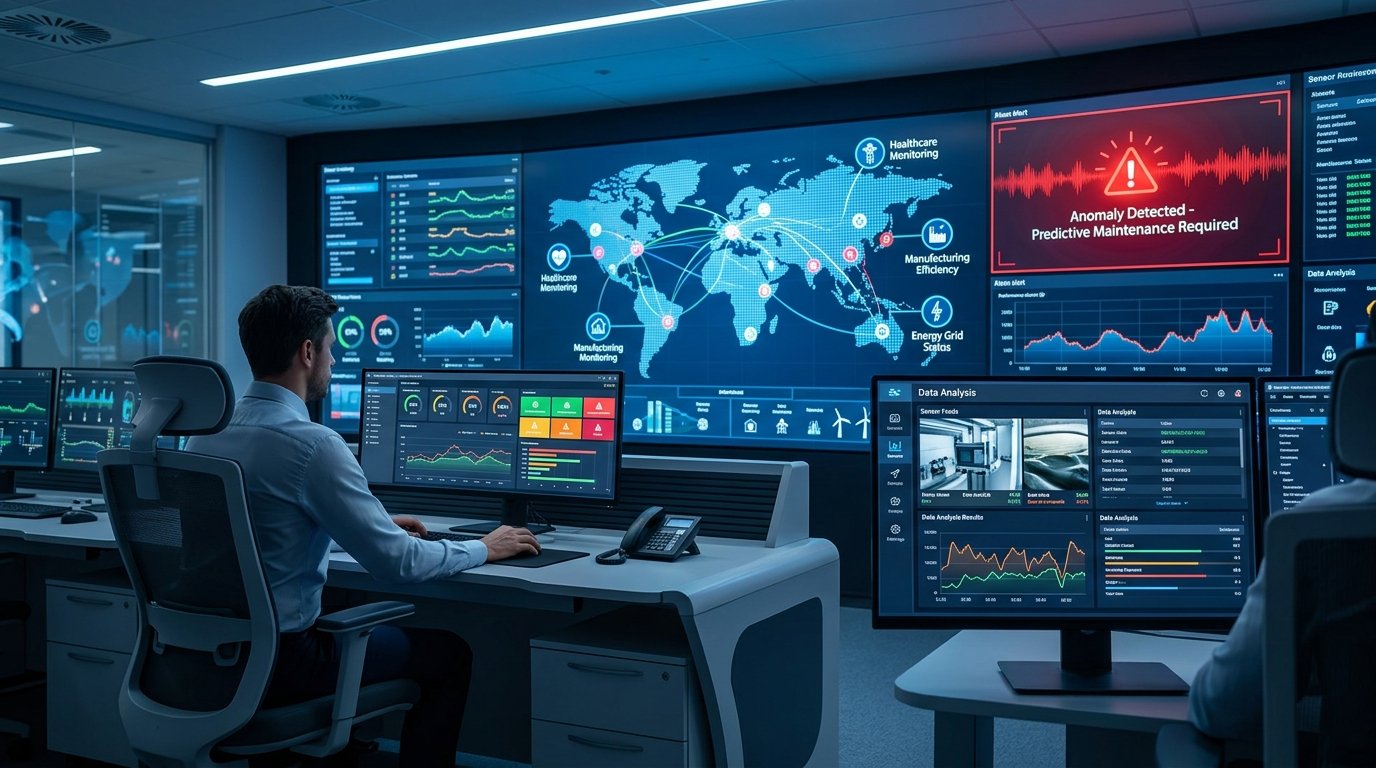
Telemetry (often referred to as telemetryczny in modern contexts) is a real-time data monitoring system that collects, transmits, and analyzes information from remote sources. It enables organizations to track performance, detect anomalies, and make instant decisions using continuous data streams. Widely used in industries like healthcare, manufacturing, and energy, telemetry enhances efficiency, reduces downtime, and supports predictive analytics for smarter operations.
Whether you’re in healthcare, manufacturing, or environmental management, telemetryczny has the power to transform operations across various sectors. As industries evolve and adapt to new challenges, understanding this innovative technology can set you apart from competitors who are still relying on outdated practices. Join us as we dive into what makes telemetryczny such an indispensable tool for modern enterprises—and explore its origins, advantages, applications, and more!
What is Telemetryczny?
Telemetryczny refers to the process of collecting and transmitting data from remote or inaccessible sources to a centralized point for analysis and monitoring. This technology is essential in environments where conditions are too dangerous, expensive, or impractical for manual observation.
At its core, telemetryczny leverages sensors that gather information on various parameters like temperature, pressure, humidity, and more. These sensors can be deployed across an extensive range of applications—from healthcare devices tracking patient vitals to industrial equipment monitoring performance metrics.
Once data is collected through these sensors, it is transmitted using wireless communication protocols such as satellite links, cellular networks, or even the internet. This means real-time updates are available without the need for physical presence at the monitored location.
The beauty of telemetryczny lies in its ability to provide actionable insights instantly. Organizations can monitor systems continuously and receive alerts about anomalies before they escalate into significant issues. This proactive stance reduces downtime and enhances operational efficiency.
Moreover, telemetryczny enables remote management capabilities. Operators can oversee multiple sites from a single dashboard—saving time and resources while improving responsiveness to any potential problems that arise during operations.
It extends beyond mere data collection; this approach fosters better decision-making by presenting clear visualizations of trends over time. It allows businesses to strategize based on accurate predictions rather than gut feelings or outdated reports.
In essence, telemetryczny represents a fusion of technology with intelligence—a vital tool in today’s data-driven landscape where speed and accuracy matter immensely.
The Origins and Evolution of Telemetryczny
Telemetryczny has its roots in the early 20th century, when scientists and engineers sought ways to remotely gather data from various systems. The concept burgeoned with advancements in radio communication. As technology evolved, so did telemetry methods.
Initially, telemetry was limited to military applications. It played a crucial role in tracking aircraft and missiles during World War II. Engineers realized that gathering information from afar could enhance operational efficiency significantly.
By the late 1950s, telemetry found new life in space exploration. NASA utilized it for monitoring spacecraft conditions and ensuring safe missions. This era marked a pivotal shift; telemetry became synonymous with real-time data acquisition.
The rise of computer technology further transformed telemetry practices. Data collected began to be processed instantly rather than stored for later analysis. This leap allowed for immediate responses based on incoming data streams.
In the following decades, industries such as healthcare and transportation adopted telemetry systems widely. Remote patient monitoring emerged as a breakthrough application within medicine, while logistics companies optimized their supply chains using real-time tracking.
The advent of the Internet changed everything once again around the turn of the millennium. Cloud computing enabled vast amounts of data storage and analysis capabilities that were previously unimaginable—paving the way for smart systems reliant on Telemetryczny technologies today.
As we moved into an increasingly interconnected world, Telemetryczny expanded beyond traditional boundaries like never before—a phenomenon driven by innovations like IoT (Internet of Things). Today’s landscape is dominated by seamless integration across devices, creating opportunities that continue to redefine how we approach monitoring and analytics at every level.
Telemetryczny vs. Traditional Monitoring: A Clear Advantage
Telemetryczny offers a significant leap forward compared to traditional monitoring methods. With its real-time data capabilities, it provides insights that can be acted upon immediately. This immediacy is crucial in today’s fast-paced environment where delays can mean lost opportunities or increased costs.
Traditional monitoring often relies on periodic checks and manual interventions. Data may only be collected at set intervals, which can lead to outdated information. In contrast, Telemetryczny continuously gathers data from various sources, ensuring that users have access to the most current information available.
This constant flow of data enables organizations to respond swiftly to changes and anomalies. For instance, if an industrial machine shows signs of wear, telemetry systems alert operators instantly rather than waiting for a scheduled maintenance check. Thus, potential breakdowns are mitigated before they escalate into costly repairs.
Additionally, traditional methods require human effort for both data collection and analysis. This not only consumes time but also increases the likelihood of human error affecting the results. Telemetryczny automates these processes significantly, reducing errors while enhancing overall efficiency.
The visualization tools integrated within telemetry systems further enhance their advantage over traditional approaches. Users can easily interpret complex datasets through intuitive dashboards displaying vital metrics at a glance—something cumbersome with conventional methods reliant on spreadsheets or paper reports.
Scalability is another area where Telemetryczny excels compared to its predecessor techniques. As businesses grow or undergo changes in operations, adapting traditional monitoring setups often requires considerable investment in time and resources—the flexibility inherent in telemetry allows for seamless scaling without major disruptions.
Integrating Telemetryczny with other smart technologies leads to enhanced predictive analytics capabilities that transform how decisions are made across sectors—from manufacturing and healthcare to logistics and environmental management.
Transformative Applications Across Industries
Telemetryczny technology is reshaping industries in remarkable ways. It enables real-time data collection and analysis, leading to smarter decision-making processes across various sectors.
In healthcare, telemetryczny systems monitor patient vitals remotely. This allows doctors to track conditions without needing constant physical visits. Patients benefit from increased convenience and improved health outcomes as potential issues are detected early.
The manufacturing sector also sees transformative effects through telemetryczny implementations. Real-time monitoring of machinery can predict failures before they occur, reducing downtime and saving costs. By analyzing production data, companies enhance efficiency and streamline operations.
Agriculture has embraced telemetryczny for precision farming techniques. Sensors collect information about soil moisture levels, crop health, and weather patterns. Farmers use this data to optimize resources like water and fertilizers while maximizing yields sustainably.
Transportation services leverage this technology too. Fleet management systems utilize telemetryczny to monitor vehicle performance in real time. Tracking fuel efficiency helps companies reduce operational costs while improving delivery times through better route optimization.
Telecommunications benefit greatly from telemetryczny as well by optimizing network performance based on user behavior analytics gathered via sensors deployed throughout their infrastructure—ensuring a stable connection that meets consumer demands seamlessly.
Even the energy sector harnesses the power of telemetryczny for smart grid technologies allowing utilities not only manage energy distribution more effectively but also engage consumers with insights into usage patterns fostering responsible consumption habits among users—creating a win-win situation for everyone involved!
Why It is Indispensable
Telemetryczny has emerged as a vital tool in today’s data-driven world. Its capacity to provide real-time insights makes it indispensable across various sectors. Organizations can no longer rely on outdated monitoring methods that lag behind the pace of modern business.
In industries like healthcare, telemetryczny enables continuous patient monitoring. This technology allows for immediate responses to critical changes in health conditions. Doctors can access vital statistics instantly, leading to better decision-making and improved outcomes.
Similarly, in manufacturing, telemetryczny helps streamline operations. By tracking equipment performance in real time, companies can identify inefficiencies before they escalate into costly problems. Predictive maintenance becomes possible through detailed analytics derived from telemetry data.
The energy sector also benefits significantly from this technology. Telemetryczny systems monitor energy consumption patterns and grid performance continuously. They enable utilities to optimize their resources while reducing downtime and enhancing service reliability.
Transportation is another field transforming due to the adoption of telemetryczny solutions. Fleet management relies heavily on real-time data for navigation and logistics optimization. This not only improves delivery times but also reduces operational costs through efficient route planning.
Moreover, businesses are increasingly shifting toward remote work environments where connectivity is crucial. Telemetryczny facilitates seamless communication between devices and users regardless of location or network constraints, ensuring smooth workflows.
As organizations strive for greater efficiency and innovation, embracing telemetryczny becomes paramount for staying competitive in any industry landscape characterized by rapid change.
Driving Innovation Through Telemetryczny
Telemetryczny is reshaping how industries innovate and adapt. Its ability to collect real-time data opens new frontiers for businesses eager to stay competitive. Organizations can analyze vast amounts of information quickly, which fuels smarter decision-making.
The integration of telemetryczny systems enhances operational efficiency. Companies leverage the insights gathered from sensors and devices to streamline processes. This optimization reduces waste while increasing productivity across various sectors.
In healthcare, telemetryczny plays a pivotal role in patient monitoring. Real-time updates on vital signs enable medical professionals to respond promptly to any changes in a patient’s condition. This proactive approach not only saves lives but also fosters an environment of continuous improvement within healthcare institutions.
Manufacturing benefits significantly from telemetryczny as well. Smart factories utilize data-driven strategies that enhance production lines’ flexibility and responsiveness. By anticipating equipment failures through predictive analytics, manufacturers minimize downtime and increase output.
Moreover, the energy sector harnesses telemetryczny for grid management and renewable energy sources like wind or solar power. Continuous monitoring allows for better integration into existing infrastructures while promoting sustainable practices that are crucial in today’s climate-conscious world.
Transportation has seen revolutionary advancements due to telemetryczny systems too. Fleet management tools track vehicle performance in real time, optimizing routes and ensuring fuel efficiency—ultimately cutting down operational costs.
As technology advances further, the potential applications of telemetryczny will continue expanding beyond our current imagination, driving innovation at an unprecedented pace across all fields.
Advantages and Disadvantages of Telemetryczny
When weighing the advantages and disadvantages of telemetryczny, it’s essential to consider both sides for a comprehensive view.
On the positive side, telemetryczny enhances efficiency across various sectors. Real-time data collection allows organizations to make swift decisions based on accurate information. This responsiveness can lead to significant time and cost savings.
Moreover, enhanced monitoring capabilities enable predictive maintenance in industries like manufacturing or transportation. By identifying potential issues before they escalate, businesses can avoid costly downtimes and ensure smoother operations.
Another advantage is scalability. Telemetryczny systems can be tailored easily as an organization grows or changes its needs. This flexibility supports ongoing innovation without requiring significant overhauls.
However, there are challenges associated with adopting telemetryczny technologies. The initial setup costs may deter smaller businesses from implementation. Additionally, integrating these systems into existing infrastructures requires careful planning and expertise.
Security concerns also loom large in the realm of real-time data monitoring. As more devices become interconnected through smart systems, vulnerabilities increase significantly if not properly managed.
User training represents another hurdle; staff must adapt to new technologies for optimal use of telemetrycznych solutions—this transition period can result in short-term disruptions while employees climb the learning curve.
Balancing these factors is key when considering whether to implement telemetryczny solutions within your business framework. Understanding both strengths and weaknesses will empower organizations to harness this technology effectively while mitigating risks involved.