 By Callumlangham@gmail.com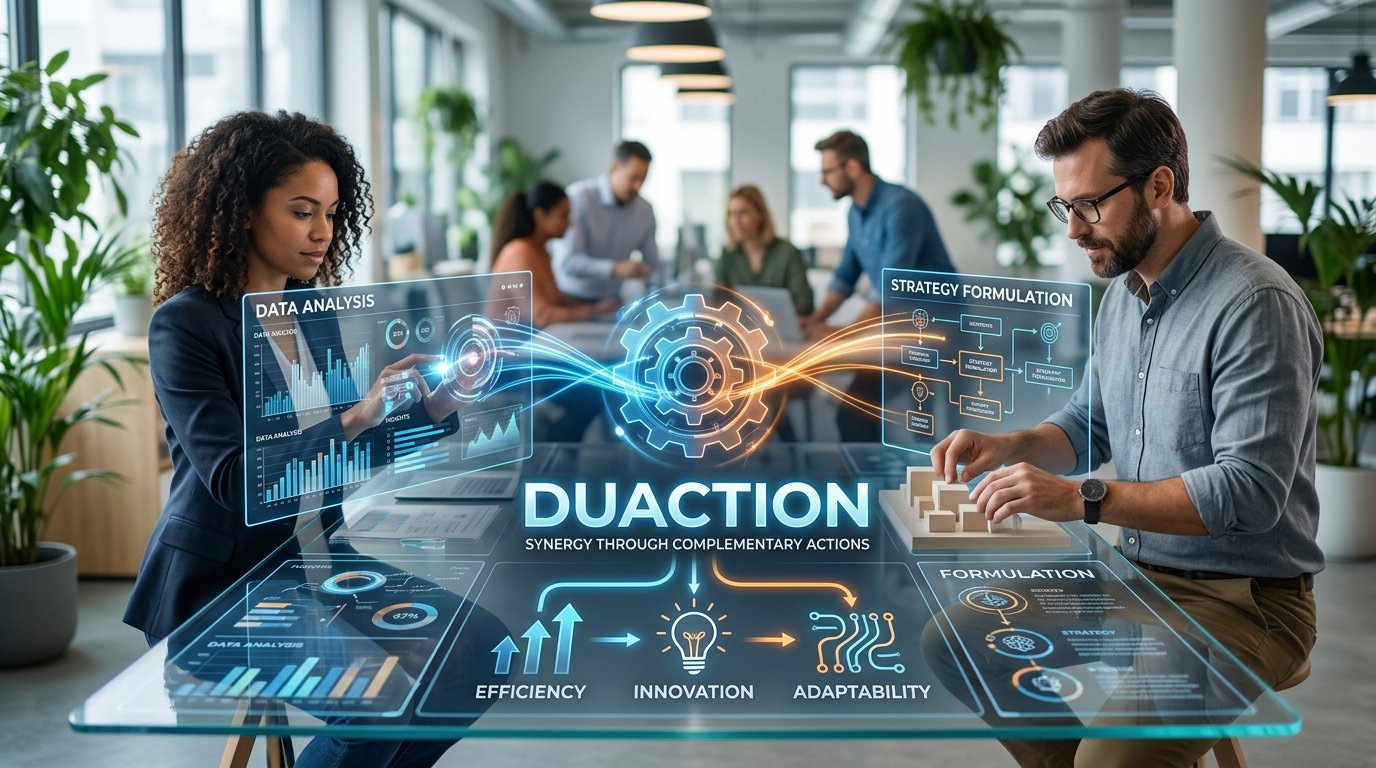
Duaction is an innovative approach that combines two complementary actions or processes to enhance efficiency, productivity, and creativity. Unlike simple multitasking, it focuses on synergy—integrating methods, skills, or technologies to achieve better outcomes. Widely applied in education, technology, business, and personal growth, Duaction promotes adaptability, continuous improvement, and smarter problem-solving. By leveraging dual-action systems, individuals and organizations can streamline workflows, foster innovation, and respond effectively to modern challenges, making it a powerful strategy for success in a fast-paced world.
What Is Duaction?
Duaction is a transformative approach that combines two actions or processes to achieve greater results. It’s not just about multitasking; it’s about integrating complementary activities to create synergy. This dynamic interaction allows individuals and organizations to operate more efficiently, driving innovation in various fields.
At its core, Duaction emphasizes the power of collaboration between seemingly disparate elements. By merging different methodologies, skills, or technologies, we unlock new potential and solutions that were previously unattainable.
As challenges become more complex in our fast-paced world, adopting a Duaction mindset can provide a competitive edge. It encourages adaptability and creativity while fostering an environment where progress thrives through dual-action strategies.
How Duaction Works
Duaction combines dual-action principles to enhance productivity and innovation. It operates by integrating two distinct processes that complement each other, creating a dynamic synergy. This interaction leads to more effective outcomes as ideas flow seamlessly between different stages of development.
At its core, Duaction emphasizes collaboration over isolation. By bringing together diverse perspectives and expertise, it fosters an environment where creativity thrives. Individuals or teams can leverage this approach to tackle complex problems with greater efficiency.
Moreover, the adaptability of Duaction allows it to be applied across various contexts—be it education, technology, or personal growth. The key lies in recognizing opportunities for dual action within any task or project, ultimately driving better results through structured yet flexible methodologies.
Applications of Duaction
Duaction is transforming various sectors by fostering innovation and enhancing efficiency. In the business realm, companies utilize dual-action systems to streamline processes, allowing them to respond swiftly to market changes while maintaining productivity. This adaptability can lead to significant cost savings and improved customer satisfaction.
In healthcare, duaction enables simultaneous advancements in patient care and operational management. By integrating medical technologies with administrative functions, hospitals enhance service delivery without compromising quality or safety. This dual approach optimizes resources effectively.
Education also benefits from duaction through blended learning models that combine traditional teaching with online platforms. Educators engage students more dynamically, addressing diverse learning styles while improving accessibility and resource availability across different environments.
The Duaction Cycle
The Duaction Cycle is a dynamic process that emphasizes the interplay between action and reflection. It encourages individuals or organizations to engage in two simultaneous modes: taking decisive steps toward their goals while also evaluating and adjusting strategies based on outcomes. This dual approach fosters adaptability.
As one moves through the cycle, each action taken contributes valuable insights for future decisions. It’s not just about moving forward; it’s about learning from every step along the way. The feedback loop created by this method ensures continuous improvement.
Moreover, the Duaction Cycle promotes deeper engagement with tasks and projects. Participants are not merely executing plans but are actively involved in assessing their effectiveness and impact, which enhances overall performance and innovation in various contexts.
In Education
Duaction offers transformative potential in the field of education. By integrating dual-action systems, educators can create dynamic learning environments that simultaneously engage students and promote critical thinking skills. This approach allows for a more personalized educational experience.
Utilizing technology alongside traditional teaching methods enables educators to cater to diverse learning styles. Students benefit from interactive lessons that not only convey information but also encourage collaboration and creativity. As a result, classrooms become vibrant spaces where knowledge is actively constructed rather than passively absorbed.
Furthermore, Duaction fosters an atmosphere of continuous feedback and assessment. Real-time data helps teachers identify student needs promptly, allowing them to adjust their strategies accordingly. This responsiveness enhances student outcomes and drives academic success across various subjects.
In Technology
Duaction is reshaping the technological landscape by promoting systems that enhance efficiency. It merges various processes to create seamless interactions between software and hardware. This integration allows for real-time data analysis, helping businesses make informed decisions quickly.
In fields like artificial intelligence and automation, Duaction plays a pivotal role. By enabling dual-action responses, it optimizes workflows and minimizes downtime. Companies can adapt swiftly to market demands while maintaining high productivity levels.
Moreover, developers are increasingly leveraging Duaction principles in app design. This results in user-friendly interfaces that simplify complex tasks. Technology becomes more accessible as users navigate through intuitive systems designed around their needs.
In Personal Growth
Personal growth often feels like a solitary journey, but Duaction introduces a dynamic approach to self-improvement. By integrating dual-action systems, individuals can harness their strengths while simultaneously addressing weaknesses. This balance fosters resilience and adaptability in personal development.
Whether it’s through mindfulness practices paired with goal-setting or learning new skills alongside emotional intelligence training, Duaction encourages a well-rounded path to growth. The synergy created by these combined actions leads to deeper insights and transformative experiences.
Moreover, the iterative nature of Duaction allows for continuous feedback and adjustment. As people engage in this process, they uncover new opportunities for learning and self-discovery that propel them forward on their personal journeys.
Exploration of Duaction
Duaction represents a groundbreaking approach that merges dual-action systems to enhance efficiency across various domains. It emphasizes the synergy between different methods, allowing for seamless integration of divergent strategies. This unique blend fosters innovation by combining strengths from each method.
In fields like education and technology, duaction stimulates creative solutions that address complex challenges. For instance, educators can employ it to tailor learning experiences, while tech developers can refine products through iterative feedback loops. These applications showcase duaction’s versatility.
Moreover, personal growth is significantly impacted by this system. Individuals harness dual approaches in their development journeys—balancing skill acquisition with emotional intelligence work. The exploration of duaction opens doors to limitless possibilities and transformative outcomes for anyone willing to embrace its principles.
Duaction in Different Fields
Duaction finds its expression across diverse fields, enhancing efficiency and fostering innovation. In healthcare, for instance, dual-action systems streamline patient care by integrating technology with traditional practices. This combination allows for real-time monitoring and improved decision-making.
In the business sector, Duaction optimizes workflow processes. By merging automation with human insight, companies can respond to market changes more swiftly. This adaptability is crucial in a fast-paced environment where consumer demands shift rapidly.
The creative industry also benefits from Duaction’s innovative approach. Artists and designers leverage digital tools alongside their craftsmanship to push boundaries in art production. This fusion of methods encourages experimentation while maintaining core artistic values.
Key Features
Duaction stands out for its ability to seamlessly integrate dual functions. This innovative approach allows users to engage in simultaneous processes, enhancing productivity and creativity. By balancing two actions at once, individuals can achieve more with less effort.
Another key feature is adaptability. Duaction systems can be customized to fit various contexts, making them suitable for diverse applications in education, technology, and personal development. This flexibility enables users to tailor their experiences according to specific needs.
Moreover, the intuitive design of Duaction tools simplifies user interaction. Whether it’s through a user-friendly interface or streamlined workflows, engaging with these systems becomes an enjoyable experience. The combination of functionality and ease-of-use ensures that anyone can harness the power of Duaction effectively.
Main Advantages
One of the main advantages of Duaction is its ability to foster efficiency. By combining multiple approaches into a cohesive system, it streamlines processes and reduces redundancy. This means that tasks can be accomplished faster without sacrificing quality.
Another significant benefit lies in innovation. Duaction encourages creative problem-solving by integrating diverse perspectives. As a result, teams are more likely to develop groundbreaking ideas and solutions that push boundaries.
Adaptability stands out as a key advantage. Duaction systems can easily adjust to changes in environment or demands. This flexibility allows organizations and individuals to stay relevant and thrive amid evolving challenges.
Common Challenges
Implementing Duaction can be a complex process, with several obstacles to navigate. One common challenge is resistance to change within organizations. Employees may be accustomed to traditional methods and skeptical about new systems, leading to pushback during implementation.
Another hurdle is ensuring proper training and understanding of the dual-action system. Without adequate education on how Duaction operates, users might struggle, causing inefficiencies rather than improvements. This lack of comprehension can stifle innovation instead of fostering it.
Measuring the effectiveness of Duaction poses its own difficulties. Organizations must establish clear metrics to evaluate success accurately. If these indicators are not defined well from the start, assessing progress becomes challenging and can lead to frustration for all involved parties.
Implementation and Future of Duaction
Implementing Duaction requires a structured approach. Organizations should start by identifying areas that can benefit from dual-action systems. This might involve re-evaluating existing processes or adopting new technologies to enhance efficiency and innovation. Team training is essential, ensuring everyone understands how to leverage these systems effectively.
The future of Duaction looks promising as more industries recognize its potential. Emerging technologies, such as artificial intelligence and automation, will further streamline processes. Companies that adapt quickly are likely to gain competitive advantages in their respective markets.
Additionally, the integration of Duaction into everyday practices could reshape work cultures and personal habits alike. As people embrace this dual-action mindset, they may find themselves more productive and innovative in various aspects of life—leading to endless possibilities for growth and improvement.
Trends to Watch
As Duaction continues to evolve, several trends are emerging that signal its growing importance across sectors. One notable trend is the integration of artificial intelligence into dual-action systems. This fusion enhances decision-making processes and streamlines operations, making businesses more agile.
Another key trend is the emphasis on sustainability within Duaction frameworks. Organizations increasingly prioritize eco-friendly practices alongside efficiency, creating a balance between productivity and environmental responsibility. This shift not only attracts conscientious consumers but also fosters long-term viability for companies.
Remote work is shaping how Duaction is implemented in various industries. With teams dispersed globally, dual-action strategies enable collaboration regardless of location, driving innovation while maintaining operational effectiveness. Companies that harness these trends will likely thrive in an ever-changing landscape.
Benefits
It offers numerous benefits that enhance both individual and organizational performance. One significant advantage is improved efficiency. By integrating dual-action systems, tasks can be executed faster with fewer resources, allowing teams to focus on higher-value activities.
Another key benefit is innovation stimulation. Duaction encourages creative problem-solving by combining different perspectives and approaches. This leads to fresh ideas, fostering a culture of continuous improvement within organizations and enhancing personal development in educational settings.
Additionally, Duaction promotes adaptability. In an ever-changing landscape, the ability to pivot quickly becomes essential. Dual-action systems enable individuals and businesses to respond proactively to challenges or opportunities that arise, ensuring they stay ahead in their respective fields.
Frequently Asked Questions
It has sparked interest across various sectors, leading to numerous questions. Understanding its core principles can help clarify any uncertainties.
How does Duaction differ from traditional methods?
Unlike conventional systems that focus on singular outcomes, Duaction emphasizes simultaneous processes. This dual approach not only enhances productivity but also fosters innovation.
What are some examples of successful Duaction implementation?
Many educational institutions have integrated it into their curricula, encouraging students to engage in collaborative projects while deepening individual learning. In technology, companies leverage Duaction for rapid prototyping and development cycles.
Is there a learning curve associated with adopting Duaction?
Yes, organizations may face initial challenges as they transition to this model. However, the long-term benefits often outweigh these temporary hurdles.
Can anyone apply the principles of Duaction?
Absolutely! Individuals seeking personal growth or professionals aiming to innovate within their fields can adopt these strategies seamlessly.
As the landscape evolves, so too will the application of Duaction across industries. Keeping abreast of developments is crucial for maximizing its impact and potential benefits.