 By Callumlangham@gmail.com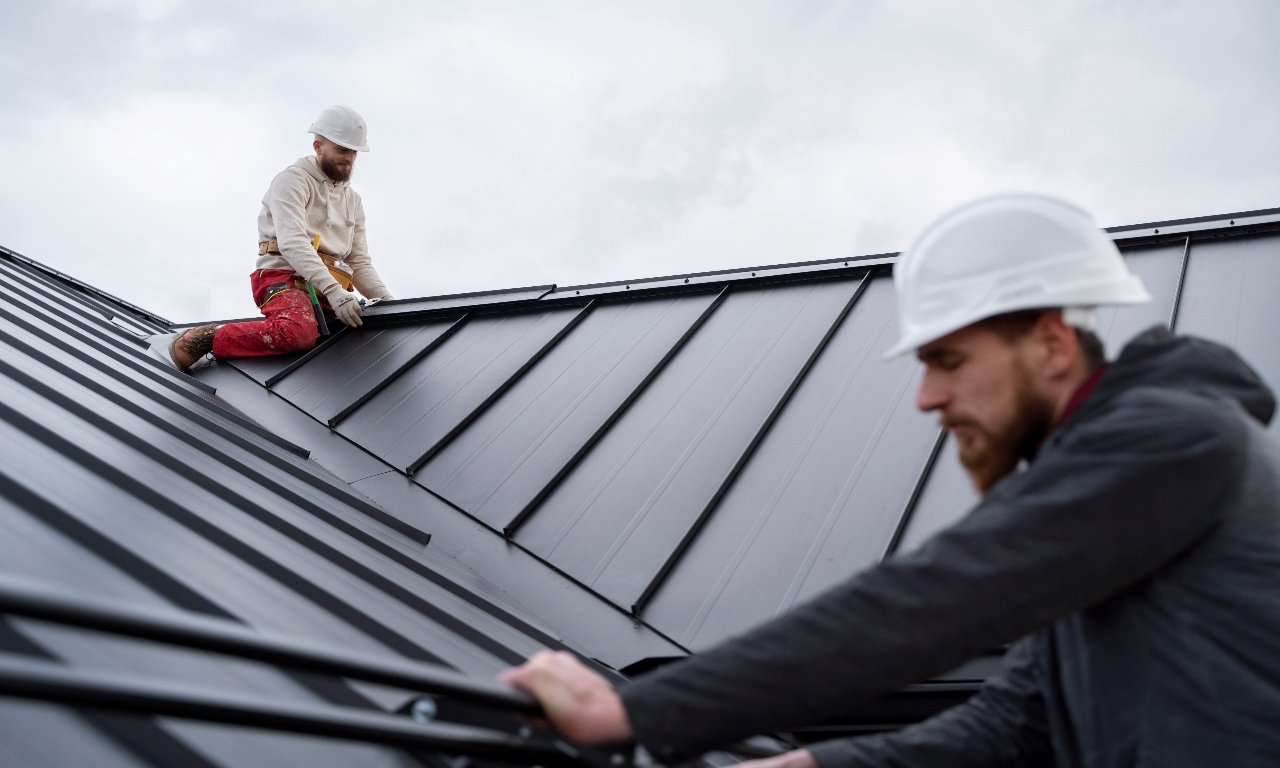
Roofing repairs are one of the most important aspects of maintaining a safe and durable building structure. A roof is constantly exposed to harsh weather conditions such as rain, wind, sunlight, and temperature changes, which gradually weaken its materials over time. Even a small issue in the roof can quickly turn into a major problem if it is not repaired on time. Understanding how roofing repairs work, what causes roof damage, and how to maintain a roof properly helps property owners avoid costly replacements and long-term structural damage.
Why Roofing Repairs Are Important
Roofing repairs are essential because they protect the overall structure of a building. A damaged roof can allow water to enter, which can lead to leaks, mold growth, and weakening of walls and ceilings. Over time, this moisture can also damage insulation and electrical systems, making the situation more serious and expensive to fix.
Timely repairs help maintain the strength and stability of the roof while extending its lifespan. Instead of waiting for major damage to occur, addressing small issues early ensures that the roof continues to perform efficiently and safely.
Common Causes of Roof Damage
There are several reasons why roofs get damaged and require repair work. Weather is one of the biggest factors. Heavy rain can cause leaks, strong winds can loosen shingles, and intense sunlight can weaken roofing materials over time. In colder climates, freezing and thawing cycles can also lead to cracks and structural stress.
Poor installation is another common cause of roofing problems. If the roof is not installed correctly, weak points can develop that lead to leaks and early deterioration. Low-quality materials also reduce the lifespan of a roof and increase the need for frequent repairs.
Lack of maintenance is another major reason for roof damage. When debris like leaves and dirt accumulates on the roof, it can block drainage systems and trap moisture, leading to long-term damage.
Early Signs That Indicate Roofing Repairs Are Needed
Roof damage often develops gradually, and recognizing early signs can prevent major issues. One of the most common signs is water leakage inside the building, which may appear as stains on ceilings or damp walls.
Missing or broken shingles are another clear indication that repairs are needed. These gaps expose the roof to moisture and increase the risk of further damage. Sagging areas on the roof can also signal structural issues that require immediate attention.
Other warning signs include mold growth, peeling paint inside the home, and rising energy bills due to poor insulation. Identifying these issues early helps prevent more serious damage.
Types of Roofing Repairs
Roofing repairs can vary depending on the extent of damage. Minor repairs usually involve fixing small leaks, replacing a few shingles, or sealing cracks. These repairs are relatively simple and cost-effective when done early.
Moderate repairs may include replacing damaged flashing, repairing underlayment, or fixing drainage issues. These repairs require more time and expertise but help restore the roof’s functionality.
Major repairs are required when there is significant structural damage. This may involve replacing large sections of the roof or repairing the underlying framework. In such cases, professional evaluation is essential to determine the best solution.
Roofing Repair Process
The roofing repair process usually begins with a detailed inspection. Professionals carefully examine the roof to identify visible and hidden issues. This step is important because not all damage can be seen from the surface.
After inspection, a repair plan is created based on the condition of the roof. This includes selecting materials, estimating costs, and determining the repair method. Once approved, the repair work begins.
Damaged materials are removed or fixed, leaks are sealed, and weak areas are reinforced. After the repairs are completed, a final inspection is done to ensure everything is properly restored and secure.
Importance of Timely Roofing Repairs
Delaying roofing repairs can lead to serious consequences. A small leak can quickly spread and damage large areas of the roof and interior structure. Water infiltration can also weaken insulation and promote mold growth, which can affect indoor air quality.
Timely repairs not only prevent further damage but also reduce overall repair costs. Fixing minor issues early is much more affordable than dealing with full roof replacement later. It also helps maintain energy efficiency by preventing heat loss or gain through damaged areas.
Preventive Maintenance for Roof Longevity
Regular maintenance plays a key role in reducing the need for frequent roofing repairs. Cleaning the roof surface and gutters helps prevent water buildup and debris accumulation. This ensures proper drainage and reduces the risk of leaks.
Inspecting the roof after storms or extreme weather conditions is also important. Early detection of damage allows for quick repairs before the issue worsens. Trimming nearby trees can prevent branches from damaging the roof surface.
Proper ventilation is another important factor in roof maintenance. It helps control moisture levels and prevents structural weakening over time.
Cost Factors in Roofing Repairs
The cost of roofing repairs depends on several factors, including the type of damage, roof size, materials used, and labor requirements. Minor repairs are generally affordable, while major structural repairs can be more expensive.
The condition of the roof also affects the cost. Older roofs with extensive damage may require more work, increasing overall expenses. However, investing in timely repairs helps avoid larger costs in the future.
Getting a professional inspection helps provide an accurate estimate and ensures that all necessary repairs are identified.
Choosing the Right Professionals for Roofing Repairs
Hiring experienced professionals is essential for effective roofing repairs. Skilled experts can quickly identify problems and provide long-lasting solutions. They also ensure that repairs are done safely and correctly.
Working with a trusted roofing company ensures high-quality workmanship and proper use of materials. Professionals follow safety standards and use specialized tools to complete repairs efficiently. This reduces the risk of future issues and improves overall roof performance.
Common Mistakes to Avoid in Roof Maintenance
One of the most common mistakes property owners make is ignoring small roof problems. Even minor leaks or damaged shingles can lead to serious damage if left untreated.
Another mistake is using low-quality materials for repairs, which reduces durability and leads to frequent issues. Delaying maintenance is also a major problem, as it allows damage to spread over time.
Regular inspections and timely repairs help avoid these mistakes and ensure long-term roof stability.
Conclusion
Roofing repairs are essential for maintaining the safety, durability, and performance of any building. A well-maintained roof protects against weather damage, improves energy efficiency, and enhances the overall lifespan of the structure.
By identifying problems early, scheduling regular maintenance, and relying on professional support, property owners can prevent costly damage and ensure long-term protection. Proper care and timely action make roofing systems more reliable and efficient for many years.