
 By Callumlangham@gmail.com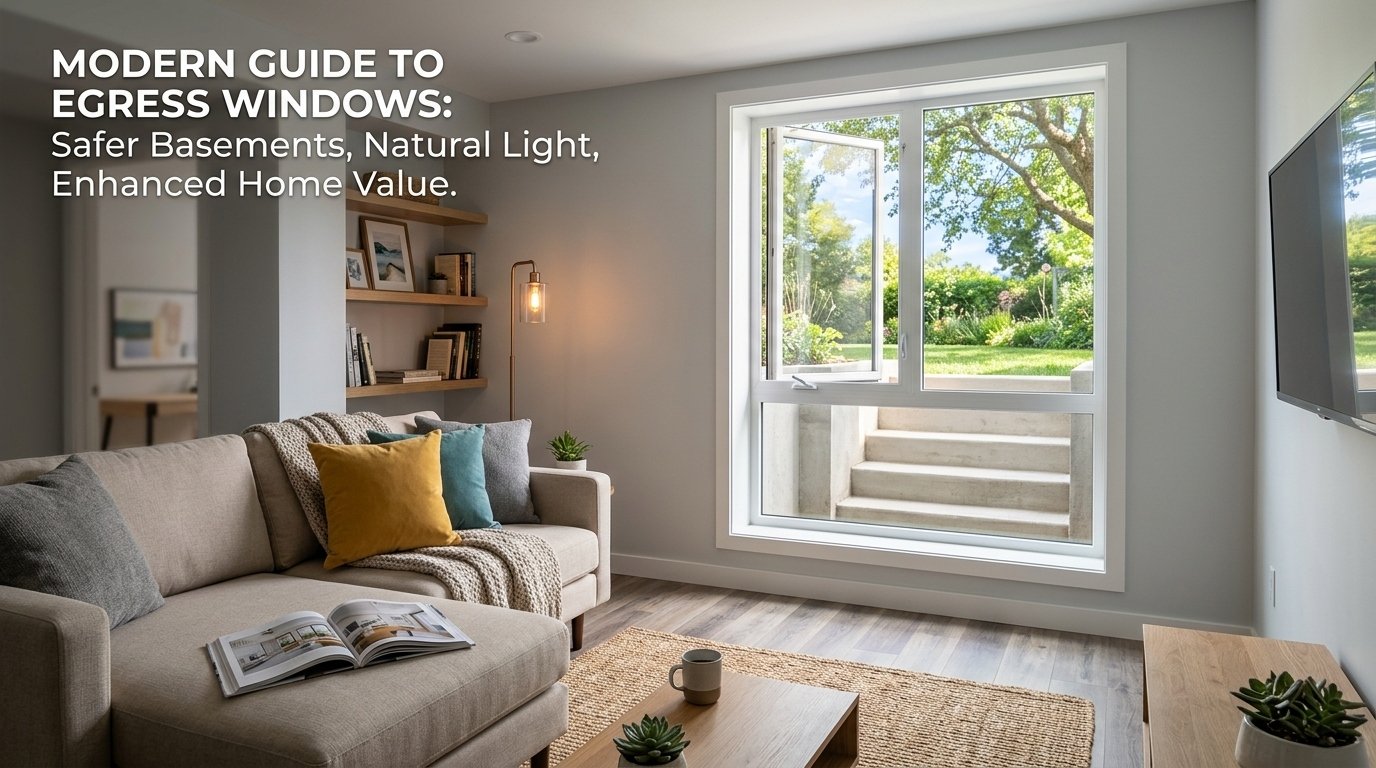
Egress windows are one of the most important features in modern basement design because they combine safety, functionality, and improved living conditions in a single upgrade. As more homeowners convert basements into bedrooms, entertainment areas, or rental spaces, the need for proper emergency exits has become essential. At the same time, these windows also bring in natural light and ventilation, transforming dark underground spaces into usable and comfortable environments.
While egress windows are often discussed as a safety requirement, their role extends much further. They also impact moisture control, air quality, and overall basement durability. When installed correctly alongside proper moisture management systems, they can significantly improve both the livability and long-term condition of a home.
Many professionals emphasize that egress window installation should not be considered in isolation. It must be planned together with moisture protection strategies such as basement waterproofing services, because below-grade openings naturally increase the risk of water intrusion if not properly sealed and drained.
Understanding Egress Windows and Their Purpose
Egress windows are specially designed basement windows that provide a safe exit route in case of emergencies such as fire, gas leaks, or structural hazards. Unlike standard windows, they must meet specific size and accessibility requirements so that a person can easily escape through them without tools or special assistance.
These windows are typically installed in basement bedrooms or any finished basement space intended for regular occupancy. Their primary purpose is safety, but they also serve several additional functions that improve the overall quality of the basement environment.
In most cases, egress windows include a window well when installed below ground level. This well creates an open space around the window, ensuring that it remains accessible and not blocked by surrounding soil. Without this feature, the window cannot function as a proper emergency exit.
Why Egress Windows Are Essential in Basements
Basements are naturally more vulnerable to safety risks because they are located below ground level and often have limited access points. In emergency situations, stairways may become blocked, making alternative exits critical. Egress windows provide that alternative, ensuring that occupants always have a safe way out.
Beyond safety, these windows also improve livability. Basements are often dark and poorly ventilated, which can make them uncomfortable for long-term use. Egress windows introduce natural light, making the space brighter and more inviting. They also improve airflow, reducing humidity and stale air buildup.
This combination of safety and comfort is why egress windows are required by building codes in many areas for any livable basement space.
Relationship Between Egress Windows and Moisture Control
Because egress windows are installed below ground level, they interact directly with soil, groundwater, and surface runoff. This makes them naturally vulnerable to moisture problems if not properly designed and sealed.
One of the most common issues is water accumulation in the window well. During heavy rain or snowmelt, water can collect around the window and eventually seep into the basement if drainage is inadequate. This can lead to damp walls, mold growth, and long-term structural concerns.
Proper sealing and drainage are essential to prevent these issues. This is why egress window installation is often paired with moisture management systems such as basement waterproofing services, which help ensure that water is directed away from the foundation and does not enter the living space.
How Egress Windows Improve Basement Living Spaces
One of the most noticeable benefits of egress windows is the transformation of basement spaces. Without natural light, basements often feel closed off and uninviting. Egress windows change this by allowing sunlight to enter, which improves both appearance and functionality.
Natural light also has a psychological impact, making spaces feel larger, cleaner, and more comfortable. This is especially important when basements are used as bedrooms, offices, or recreational areas.
Ventilation is another key benefit. Fresh air circulation helps reduce humidity levels and prevents the buildup of stale air. This contributes to a healthier indoor environment and reduces the risk of mold and mildew growth.
Building Code Requirements for Egress Windows
Egress windows must meet specific building code requirements to ensure they function properly in emergencies. These requirements typically include minimum opening dimensions, maximum sill height from the floor, and the ability to open fully without tools or keys.
The window must also be large enough to allow a person to pass through easily. In below-grade installations, the window well must provide sufficient clearance and often includes a ladder or steps if the depth exceeds certain limits.
These standards are designed to ensure that egress windows are not just decorative features but fully functional safety exits.
Installation Process and Key Considerations
Installing egress windows requires careful planning and precise execution. The process begins with evaluating the foundation structure and determining the best location for the window. This step is critical because cutting into a foundation wall must be done safely to avoid structural damage.
Once the opening is created, a window well is installed to provide space and prevent soil from blocking the window. Proper drainage is also installed at this stage to ensure that water does not accumulate in the well.
The window is then fitted and sealed to prevent air and water leaks. Interior and exterior finishing work is completed to ensure both functionality and appearance.
Since below-grade installations involve direct exposure to soil moisture, it is essential to integrate waterproofing measures during the process. This is where basement waterproofing services become especially important, as they help protect the surrounding structure from long-term water damage.
Common Problems With Poor Installation
When egress windows are not properly installed, several issues can arise. Water leakage is one of the most common problems, especially if drainage systems are inadequate or seals are weak.
Another issue is window well flooding. Without proper grading and drainage, rainwater can accumulate and eventually enter the basement. This not only damages interior finishes but also increases humidity levels inside the home.
In some cases, poor installation can also lead to foundation stress. Cutting into a foundation without proper reinforcement may weaken the structure over time, leading to cracks or shifting walls.
These problems highlight the importance of professional installation and proper integration with moisture control systems such as basement waterproofing services.
Maintenance of Egress Windows
Regular maintenance is essential to ensure that egress windows continue to function properly. Window wells should be kept clean and free of debris such as leaves, dirt, and snow. Blocked drainage can quickly lead to water buildup and basement leaks.
Seals around the window frame should also be inspected periodically for signs of wear or damage. Even small gaps can allow moisture to enter, especially during heavy rainfall.
Windows should be tested regularly to ensure they open smoothly and are not obstructed. Since they serve as emergency exits, accessibility must always be maintained.
Energy Efficiency and Insulation Benefits
Modern egress windows are designed to improve energy efficiency as well. Many models include insulated frames and double or triple-pane glass, which help reduce heat loss during colder months and prevent heat gain during warmer seasons.
Proper installation also helps eliminate drafts and air leaks, making the basement more comfortable year-round. This can contribute to lower energy bills and improved indoor temperature control.
When combined with moisture protection systems, these windows help create a more stable and efficient basement environment.
Connection Between Egress Windows and Basement Health
Egress windows play a significant role in overall basement health. By improving ventilation and reducing humidity, they help prevent mold growth and moisture buildup.
However, if not properly protected, they can also become entry points for water. This is why integrating them with moisture control systems is so important. In many cases, homeowners rely on basement waterproofing services to ensure that both the foundation and window areas remain dry and protected.
A well-designed system ensures that the benefits of egress windows are maximized while minimizing the risks associated with below-grade installations.
Long-Term Value of Egress Window Installation
Installing egress windows adds significant long-term value to a home. It increases usable living space by making basements legally suitable for bedrooms and other functional areas. This directly enhances property value and market appeal.
Homes with properly installed egress windows are also more attractive to buyers because they offer improved safety and livability. When combined with proper moisture protection, they create a fully functional basement environment that can be used for a wide range of purposes.
Final Thoughts
Egress windows are an essential part of modern basement design, combining safety, comfort, and functionality in a single feature. They provide emergency escape routes, improve natural lighting, and enhance ventilation, making basements more livable and valuable.
However, their effectiveness depends heavily on proper installation and moisture control. Without adequate protection, they can become vulnerable to water intrusion and structural issues.
This is why integrating them with professional solutions such as basement waterproofing services is so important. When installed and maintained correctly, egress windows transform basements into safe, bright, and fully usable living spaces that add long-term value to any home.